



Nantong Xinchen Home Co., Ltd. is a professional manufacturer of household products with more than 20 years of experience. The main products of the company are bedding, home fabric decoration, home clothing, multifunctional seat cover, velvet toys......
Why choose us?
Quality Control
To improve product quality, we carefully control the production process and strictly manage delivery times. Our products are designed to be reliable and durable, ensuring that customers get the most value from their investment.
Technological Innovation
We always prioritize technology as our guide. Through continuous technological transformation and innovation, we ensure that the quality of our products, such as men's pure cotton autumn long pajamas, washable chair covers, and polyester sofa covers, steadily improves.
Custom Service
We provide customized product solutions for our customers and make every effort to ensure that all our products and services are of the highest accuracy and precision.
Production Equipment
We have more than 100 sewing machines and various special machines, as well as 8 single-needle quilting machines, providing our customers with the best trade solutions to meet their unique needs and goals.
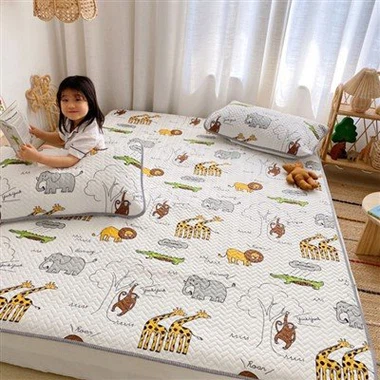
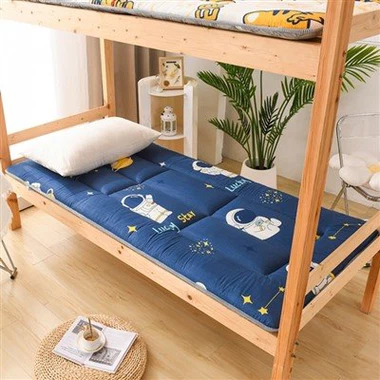




Types of Home Textiles
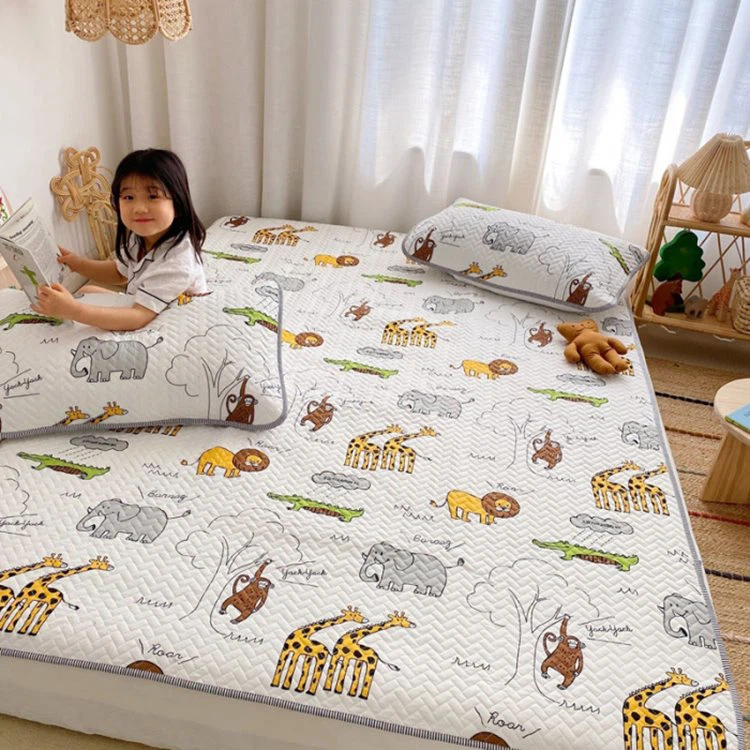
Quilts
Quilts are one of the primary home textile products that protect from cold weather and help to be in the optimal heat level. There are many types of quilts by their colors, designs, and materials, such as natural cotton quilts and fiber quilts.
Pillows
Having various sizes, pillows are crucial elements of home textile products. Indeed, the most important is the quality of pillows since they ensure equal pressure in the human body. They are related to support neck, head, and waist.
Duvet Covers
Duvet covers are in many colors and designs, protecting the pillows and quilts from any damage and stain. Thus, you can have what you like most in terms of style. For example, if you want flowers, you can have a pinkish duvet cover with flowers; or if you like a more classic view, you can choose a single color duvet cover.
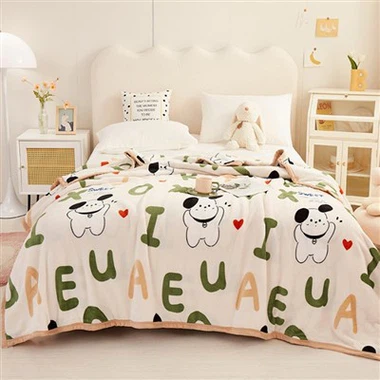
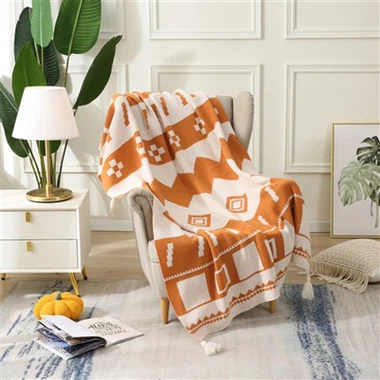
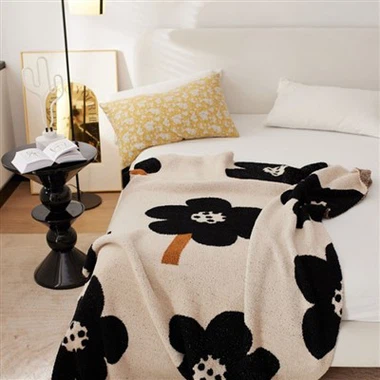
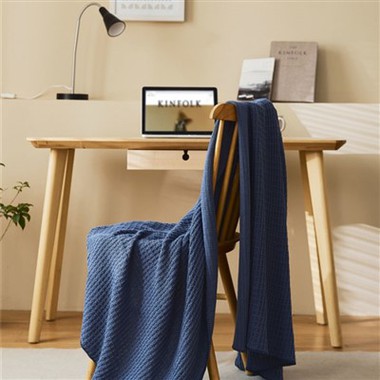
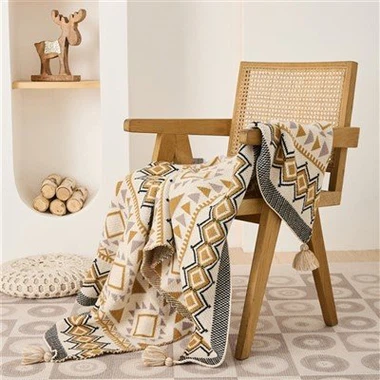
Blankets
Blankets are made of different materials such as wool, polyester, or cotton with distinct styles. Yet, blankets can be heavy or light depending on the materials used. For example, although a wool blanket can be heavier, polyester blankets can be lighter.
Rugs
As the oldest home textile product, the rug is in many colors and shapes today. It is a floor covering that appeals to every taste. It also provides insulation to the space, protecting you from the floor itself while creating a decorative view. However, you should pay attention to cleaning rugs in regular periods as they can easily absorb the dust.
Curtains
Curtains, also called wall or window coverings, are remarkable home textiles as they directly attract. From a decorative point, windows can be the focal point of an interior; thus, curtains play an essential role here.
Functional Advantages of Home Textiles

Thermal insulation
Thermal curtains, carpets and floor coverings are a big plus for maintaining a comfortable temperature in the room. They retain heat and increase comfort.
UV protection
UV-resistant fabrics protect against damage from sunlight. Blinds, curtains and draperies prevent colors from fading and furniture damage.

Moisture management
Moisture wicking fabrics in bedding and towels are a game changer. They wick moisture away from your skin, keeping it cool and dry. They are perfect for warm nights or humid places, improving your sleep.
Main Materials Used in Home Textiles
Cotton
Cotton is a versatile and widely used fabric in home furnishings. It comes in various weights and is popular for its affordability and comfort.
Silk
Known for its luxurious feel and slight sheen, silk is a highly prized fabric in home textiles. It is often used for throw pillows and accents in rooms with low sun exposure.
Wool
Wool is a highly durable and warm fabric used for carpeting, high-traffic areas, and warm bedding layers. It is known for its longevity and ability to provide insulation.
Velvet
Velvet is a luxurious and soft fabric that adds elegance to home textiles. It is often used for upholstery, drapery, and decorative pillows, providing a touch of opulence.
Linen
Linen is a lightweight and breathable fabric derived from flax plants. It offers excellent breathability and color retention, making it suitable for low-traffic areas, drapery, and table linens.
Synthetic Fabrics
Synthetic fabrics like polyester, nylon, and acrylic are widely used in home textiles. They offer durability, affordability, and resistance to wrinkles and fading. These fabrics are commonly used for upholstery, curtains, and decorative accents.
Jacquard
Jacquard fabrics feature intricate patterns woven into the fabric itself. They are commonly used for upholstery, drapery, and decorative accents, adding visual interest and sophistication to space.
Sheer Fabrics
Sheer fabrics, such as chiffon and organza, allow light to filter through while providing privacy. They are commonly used for curtains, window treatments, and decorative accents, creating an airy and ethereal ambiance.
The Home Textile Manufacturing Process
Designing
The first stage in the manufacturing process is designing. Designers work to create a wide range of designs that will appeal to customers, from classic and traditional styles to modern and contemporary designs.
Sourcing Materials
Once a design is finalized, manufacturers must source the materials needed to produce the textile. This may involve sourcing fabrics, dyes, and other materials from suppliers around the world.
Production
Once the materials have been sourced, the production process begins. This may involve cutting, stitching, and finishing the fabric, as well as adding any necessary embellishments or decorations.
Quality Control
Throughout the manufacturing process, quality control is a key factor. Manufacturers must ensure that the textiles they produce meet strict quality standards, both in terms of durability and appearance.
Distribution
Finally, once the textiles have been produced and quality checked, they are ready Performance wear manufacturers for distribution. This may involve selling the textiles through retail stores, online marketplaces, or other distribution channels.
The Home Textile Inspection Process Detailed
Product Verification: The first step in the home textile inspection process is to verify that the products match the specifications agreed upon by the manufacturer and the buyer. This includes checking the design, materials, and color of the textiles. Inspectors use the product specification sheet as a guide to ensure every detail aligns with what was ordered. Any discrepancies in material quality, design, or color can lead to products being rejected.
Quantity Verification: After confirming the product specifications, inspectors count the total number of items to ensure the quantity matches the purchase order. This step is crucial to avoid short shipments or over shipments, both of which can significantly impact the customer’s inventory and sales plans. Inspectors typically perform a count of the packed and ready-to-ship goods to confirm numbers accurately.
Packaging Assessment: Packaging inspection ensures that all items are properly packed and labeled to withstand the rigors of transit. Inspectors check the strength and integrity of the boxes and other packaging materials against industry standards to prevent damage during shipping. They also ensure that the packaging method used is suitable for the product, such as verifying that delicate items are securely wrapped and that moisture-sensitive items have adequate protection.
Labeling Accuracy: Labeling is critically reviewed to ensure compliance with international shipping laws and customer requirements. This includes checking the accuracy of shipping marks, product codes, care instructions, and any other labels that provide necessary information about the contents. Proper labeling is essential not only for logistics purposes but also to ensure compliance with various international and regional regulations.
Random Sampling:A crucial part of the inspection process is the selection of random samples to be tested. This sampling follows a statistical method to ensure a representative selection that accurately reflects the overall quality of the batch. These samples undergo various tests and checks to validate everything from the fabric’s resistance to wear and tear, to the endurance of the packaging.
Special Tests: Depending on the type of product and the specific requirements of the client, special tests may be conducted. These can include barcode verification, where the readability and accuracy of the barcode are tested against the client’s database, and physical tests like tension and compression on the fabric. For packaging, drop tests might be performed to simulate transportation stresses and assess the robustness of the packaging.
Final Review and Reporting: The final step is a comprehensive review of all findings from the inspection. The inspector compiles a detailed report that includes descriptions of the inspection process, test results, and photographs of the products and any defects found. This report is then provided to the client, who uses it to make informed decisions about accepting the shipment or requesting corrections.
What Our Customers Say About Us
Doreen Edwards
I really appreciate your spirit of never backing down when you encounter difficulties and having your own intentions and plans for everything you do.
Wilma Elliott
Although we haven't known each other for a long time, you are down-to-earth and diligent in everything you do. This is what we want to learn from you.
Walter Cathey
This supplier is very serious about our production projects, their entire team is very serious, and we can clearly feel the effectiveness of their products.
Gail Fouts
They serve customers with high-quality products, contribute to society, develop themselves, and have won the support of friends from all walks of life at home and abroad.
Stuart Sparks
This manufacturer satisfies our requirements for trustworthy and transparent charges. The most important gain we get from cooperation is time saving and error avoidance.
Joseph Dyson
Their logistics is also very fast, and every time I receive the product is complete and perfect, there will be no creases or breakage, and I will continue to repurchase in the future.

Nantong Xinchen Home Co.,Ltd. has been established for more than 20 years. The factory is located in Rugao, Nantong, two hours' drive from Shanghai.
FAQ
We're professional home textiles manufacturers and suppliers in China, specialized in providing high quality products and service. We warmly welcome you to buy or wholesale home textiles for sale here and get quotation from our factory. For customized service, contact us now.
, Towel