

What tools do I need to make chair covers?
Nov 19, 2025
Leave a message
Making chair covers is a blend of creativity and functionality, especially when you're a supplier like me. As a provider in the chair cover industry, I understand the importance of having the right tools to create high - quality products. In this blog, I'll walk you through the essential tools needed to make chair covers, sharing insights from my years of experience in the business.
Measuring Tools
Accurate measurements are the foundation of a well - fitting chair cover. The first tool you absolutely need is a measuring tape. A flexible, retractable measuring tape is ideal as it can easily wrap around the various parts of a chair, such as the seat, backrest, and legs. You'll use it to measure the length, width, and height of the chair, as well as any curves or angles. For example, when measuring a round chair seat, you'll need to measure the diameter to ensure the cover fits snugly.
Another useful measuring tool is a yardstick or a ruler. These are great for measuring straight edges and for making sure your fabric cuts are precise. A 36 - inch yardstick is a standard choice, but having a longer one, like a 60 - inch ruler, can be beneficial when working with larger chairs or when you need to measure long seams.
Cutting Tools
Once you have your measurements, it's time to cut the fabric. A sharp pair of fabric scissors is a must - have. Look for scissors with a long blade, around 8 - 10 inches, as they allow for smooth, straight cuts. For detailed or curved cuts, small, sharp embroidery scissors can be very handy. They give you more control when cutting out intricate shapes, like the corners of a chair back or the edges of a decorative ruffle.
A rotary cutter is another excellent cutting tool. It consists of a circular blade that rolls along the fabric, making quick and precise cuts. Rotary cutters are especially useful when working with large pieces of fabric or when you need to make long, straight cuts. You'll also need a self - healing cutting mat to use with the rotary cutter. The mat protects your work surface and provides a smooth, even surface for cutting.
Sewing Tools
Sewing is the heart of making chair covers, and having the right sewing tools is crucial. A good sewing machine is the centerpiece of your setup. There are many types of sewing machines available, from basic models for simple straight - stitch sewing to advanced machines with multiple stitch options and automatic features. When choosing a sewing machine for making chair covers, look for one that can handle different fabric weights and has a strong motor to sew through multiple layers of fabric.
Thread is another essential sewing tool. Choose a high - quality thread that matches the color and weight of your fabric. For most chair covers, a medium - weight cotton or polyester thread works well. You'll also need a variety of needles. Different needles are designed for different fabric types and sewing tasks. For example, a universal needle is suitable for most fabrics, while a denim needle is better for thick, heavy fabrics like canvas.
Pins and basting thread are used to hold the fabric in place before sewing. Straight pins are the most common type of pin, but safety pins can also be useful for holding larger pieces of fabric together. Basting thread is a long, loose thread that you sew by hand or with a machine to temporarily hold the fabric layers in place. It can be easily removed after the final stitching is done.
Marking Tools
Marking the fabric before cutting and sewing is important for accuracy. Tailor's chalk is a classic marking tool. It comes in different colors and can be easily wiped off the fabric after use. Chalk pencils are also a good option, as they are more precise and leave a finer line.
For more permanent markings, fabric markers can be used. However, be careful when using fabric markers, as they can leave a stain on the fabric if not used correctly. You can also use masking tape or washi tape to mark straight lines or to hold pattern pieces in place on the fabric.
Pressing Tools
Pressing is an often - overlooked but important step in making chair covers. A good iron is essential for pressing seams, flattening fabric, and giving the chair cover a professional finish. Look for an iron with adjustable temperature settings so you can safely press different types of fabrics.
A pressing cloth is also necessary when ironing fabric. It protects the fabric from direct heat and prevents shine or scorching. You can use a thin cotton cloth or a specialized pressing cloth. A steam ironing board provides a stable surface for pressing and allows you to use steam to help smooth out wrinkles and set the fabric.
Additional Tools
Depending on the style and design of the chair covers you're making, you may need some additional tools. For example, if you're adding buttons or zippers to your chair covers, you'll need a buttonhole foot for your sewing machine and a zipper foot. A button setter can be used to attach buttons securely.
If you're adding decorative elements, like beads or sequins, you'll need beading needles and thread. Glue guns can also be useful for attaching small decorative pieces or for hemming fabric in a pinch.
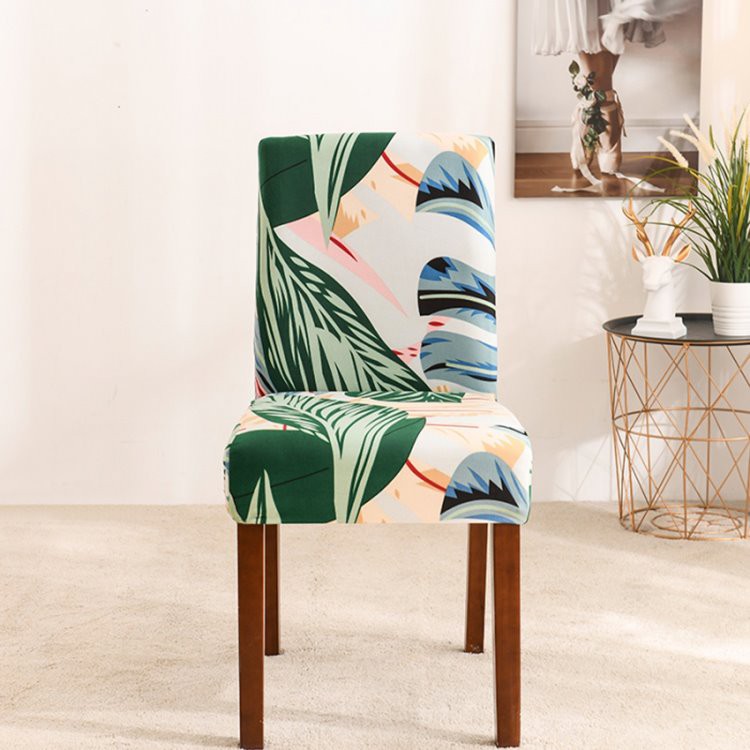
Now that you know the tools needed to make chair covers, you might be interested in our Washable Chair Cover. Our washable chair covers are made with high - quality materials and are designed to fit a variety of chair styles. They are easy to clean and maintain, making them a practical choice for both home and commercial use.
If you're in the market for chair covers or want to discuss custom - made options, I encourage you to reach out. Whether you're a retailer looking to stock our products or an individual in need of a unique chair cover for your home, I'm here to help. Contact me to start a conversation about your chair cover needs.
References
- "The Complete Photo Guide to Sewing" by Editors of Creative Publishing international
- "Sewing for Dummies" by Kate Atherley