

How to tell if a mattress is too soft?
Nov 19, 2025
Leave a message
Determining whether a mattress is too soft is crucial for ensuring a good night's sleep and maintaining proper spinal health. As a mattress supplier, I've encountered numerous customers struggling to make this assessment. In this blog, I'll share some practical tips and insights to help you figure out if your mattress is too soft.
Physical Discomfort
One of the most obvious signs that a mattress is too soft is physical discomfort. If you wake up with aches and pains, especially in your back, neck, or shoulders, it could be a red flag. A soft mattress fails to provide adequate support for your body's natural curves, causing your spine to sink out of alignment. Over time, this misalignment can lead to chronic pain and other health issues.
When you lie on a mattress, your spine should maintain its natural S - shaped curve. A soft mattress may cause your hips to sink too deeply, while your shoulders and head are left unsupported. This can create excessive pressure on certain areas of your body, leading to discomfort and pain. For example, if you're a side - sleeper, a soft mattress may not keep your spine straight, causing your shoulders to dig into the mattress and your neck to twist.
Poor Sleep Quality
A too - soft mattress can also significantly impact your sleep quality. If you find yourself tossing and turning throughout the night, it could be because your mattress isn't providing the stability you need. Soft mattresses tend to conform too much to your body, making it difficult to change positions without feeling like you're being swallowed up.
Moreover, the lack of support can cause you to wake up more frequently during the night as your body tries to adjust to the uncomfortable position. This interrupted sleep can leave you feeling tired and groggy in the morning, even if you've spent a full night in bed. If you've noticed a decline in your sleep quality since getting a new mattress, it's worth considering whether it's too soft.
Sagging and Body Impressions
Inspect your mattress regularly for signs of sagging and body impressions. Over time, a soft mattress will start to show visible indentations where you sleep. These indentations are a clear indication that the mattress is losing its support and is likely too soft.
Sagging can occur in the middle of the mattress or in specific areas where your body weight is concentrated. If you can see or feel a dip in the mattress, it's a sign that the materials inside are breaking down and not providing the necessary support. This not only affects the comfort of the mattress but also its durability. A mattress with significant sagging may need to be replaced sooner than expected.
Difficulty Getting In and Out of Bed
If you find it difficult to get in and out of bed, your mattress might be too soft. A soft mattress can make it challenging to push yourself up or roll over, as it lacks the firmness to provide a stable surface. This can be especially problematic for older adults or people with mobility issues.
When you try to get out of a too - soft mattress, you may feel like you're being pulled back down into it. This can be frustrating and even dangerous, as it increases the risk of falls. If you're experiencing this issue, it's a good idea to evaluate whether a firmer mattress would be more suitable for you.
Comparison with Other Mattresses
Another way to tell if your mattress is too soft is to compare it with other mattresses. Visit a mattress store and lie down on different types of mattresses, including firm, medium - firm, and soft ones. Pay attention to how your body feels on each mattress and how well it supports your spine.
You may find that a firmer mattress provides more comfort and support than your current one. This hands - on comparison can give you a better understanding of what a well - supported sleep surface feels like. Additionally, you can ask the sales staff at the store for their professional opinion on the firmness of different mattresses.
Consider Your Sleeping Position
Your sleeping position also plays a crucial role in determining the ideal mattress firmness. Different sleeping positions require different levels of support. For example, back - sleepers generally need a medium - firm mattress to keep their spine in alignment. A too - soft mattress can cause the lower back to sink, leading to pain and discomfort.
Side - sleepers, on the other hand, need a mattress that can cushion their shoulders and hips while still supporting their spine. A soft mattress may be suitable for some side - sleepers, but if it's too soft, it can cause the shoulders and hips to sink too deeply, resulting in misalignment. Stomach - sleepers usually benefit from a firmer mattress to prevent the pelvis from sinking and putting strain on the lower back.
Types of Mattresses and Softness
There are various types of mattresses available in the market, each with its own characteristics in terms of softness. For instance, Memory Foam Mattress is known for its ability to conform to the body. While this can provide excellent pressure relief, some memory foam mattresses can be too soft, especially if they have a high density of soft foam.
Innerspring mattresses can also vary in softness. Traditional innerspring mattresses with a thick layer of padding on top may feel soft, but they may not offer the same level of support as a more modern hybrid mattress. Hybrid mattresses combine the support of innersprings with the comfort of foam layers, offering a more balanced option.
Single Mattress options come in different firmness levels as well. Whether you're looking for a single mattress for a child's bed or a guest room, it's important to choose the right firmness based on the sleeper's needs.
Waterproof Mattress Considerations
If you're considering a Waterproof Mattress, it's important to note that the waterproof layer may affect the overall feel of the mattress. Some waterproof mattresses can feel softer or firmer than non - waterproof ones due to the additional layer.
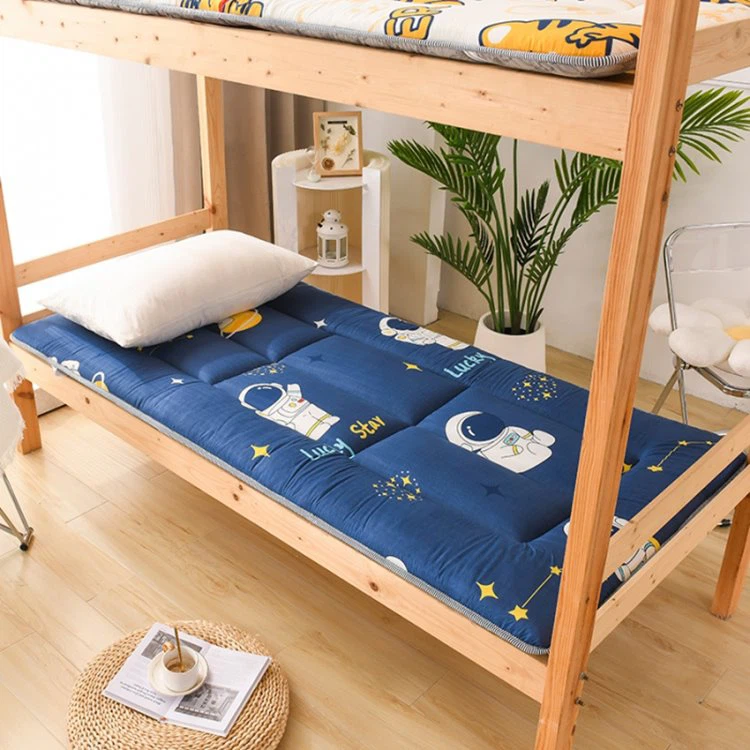
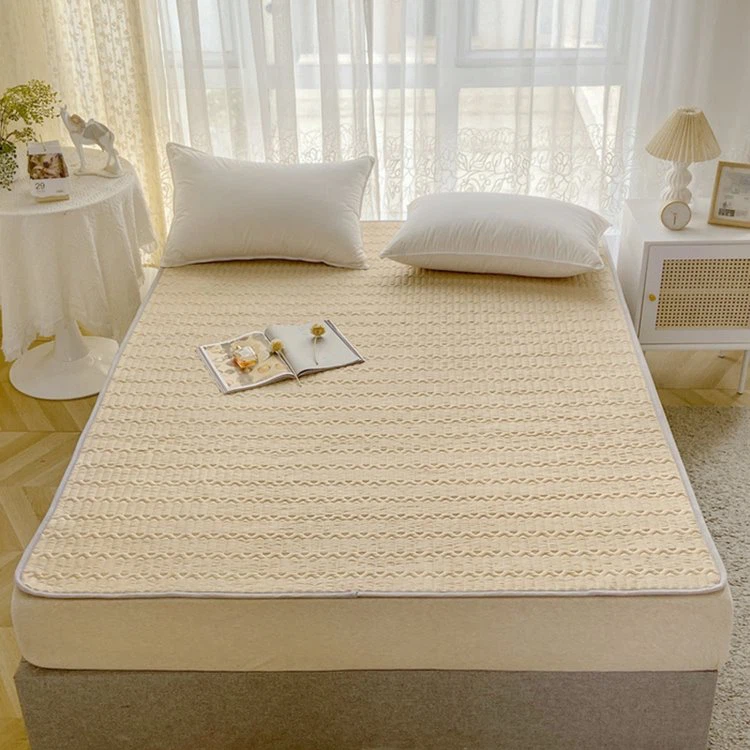
When choosing a waterproof mattress, pay attention to the firmness rating and read customer reviews to get an idea of how it feels in real - life use. A waterproof mattress should not only protect against spills and moisture but also provide the right level of support for a good night's sleep.
Conclusion
Determining if a mattress is too soft is a multi - faceted process that involves considering physical discomfort, sleep quality, sagging, getting in and out of bed, comparison with other mattresses, sleeping position, and the type of mattress. As a mattress supplier, I understand the importance of finding the right mattress for your needs.
If you're struggling with a mattress that may be too soft, don't hesitate to reach out. We offer a wide range of mattresses in different firmness levels, including Waterproof Mattress, Single Mattress, and Memory Foam Mattress. Our team of experts can help you find the perfect mattress for a comfortable and restful sleep. Contact us to start the procurement process and discuss your specific requirements.
References
- American Chiropractic Association. (2023). Choosing the Right Mattress for Your Sleep Position.
- National Sleep Foundation. (2023). How to Choose a Mattress.
- Consumer Reports. (2023). Mattress Buying Guide.