

What is the warmest type of yarn for a knit blanket?
Oct 14, 2025
Leave a message
When it comes to creating a cozy and warm knit blanket, choosing the right type of yarn is crucial. As a knit blanket supplier, I've had the opportunity to work with various yarns and understand the unique properties of each. In this blog post, I'll explore the warmest types of yarn for a knit blanket, helping you make an informed decision for your next project.
Understanding Yarn Warmth
The warmth of a yarn depends on several factors, including its fiber content, thickness, and the way it's spun. Generally, natural fibers like wool and alpaca are known for their excellent insulating properties, while synthetic fibers can also offer warmth with added benefits like durability and easy care.
Wool: The Classic Choice
Wool is perhaps the most well-known and widely used yarn for warm knit blankets. It's a natural fiber that comes from sheep and has several properties that make it an excellent choice for cold weather.
Insulation: Wool fibers have a natural crimp, which creates tiny air pockets within the yarn. These air pockets trap heat, providing excellent insulation and keeping you warm even in cold temperatures.
Moisture-wicking: Wool can absorb up to 30% of its weight in moisture without feeling wet. This means it can keep you dry by wicking away sweat and moisture from your body, making it a great choice for blankets used in active or humid environments.
Softness and comfort: While some types of wool can be scratchy, there are many soft and luxurious wool options available, such as merino wool. Merino wool is known for its fine fibers, which make it incredibly soft and comfortable against the skin.
However, wool does require some special care. It's important to follow the care instructions on the yarn label to prevent shrinking or felting.
Alpaca: A Luxurious Alternative
Alpaca yarn is another excellent choice for warm knit blankets. It comes from the alpaca, a South American camelid, and has several unique properties that make it a popular option.
Insulation: Like wool, alpaca fibers have a natural crimp that creates air pockets for insulation. Alpaca yarn is also lighter than wool, making it a great choice for a warm but not overly heavy blanket.
Softness: Alpaca fibers are incredibly soft and hypoallergenic, making them a great choice for people with sensitive skin. They also have a natural sheen that gives the blanket a luxurious look.
Durability: Alpaca yarn is strong and durable, making it a great choice for a blanket that will last for years. It's also resistant to pilling, which means it will keep looking new for longer.
However, alpaca yarn can be more expensive than wool, so it may not be the best choice for a budget project.
Cashmere: The Ultimate Luxury
Cashmere is a luxury fiber that comes from the undercoat of cashmere goats. It's known for its softness, warmth, and luxurious feel, making it a popular choice for high-end knit blankets.

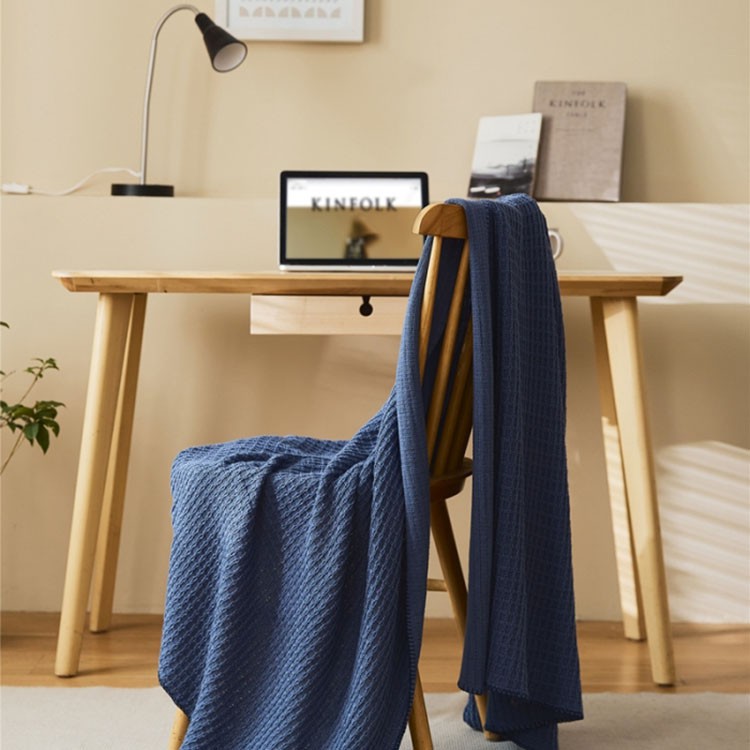
Insulation: Cashmere fibers are incredibly fine and have a natural crimp that creates air pockets for insulation. They're also very lightweight, making them a great choice for a warm but not overly heavy blanket.
Softness: Cashmere is one of the softest fibers in the world, and it feels incredibly luxurious against the skin. It's also hypoallergenic, making it a great choice for people with sensitive skin.
Luster: Cashmere has a natural luster that gives the blanket a beautiful, shiny appearance.
However, cashmere is also the most expensive fiber on this list, and it requires special care to keep it looking its best. It's important to follow the care instructions on the yarn label and avoid machine washing or drying.
Synthetic Fibers: A Practical Option
While natural fibers are known for their warmth and comfort, synthetic fibers can also offer some benefits when it comes to knit blankets.
Acrylic: Acrylic yarn is a popular synthetic fiber that's known for its affordability, durability, and easy care. It's often blended with other fibers to add strength and durability to the blanket. Acrylic yarn can also be made to mimic the look and feel of natural fibers, such as wool or alpaca.
Polyester: Polyester yarn is another synthetic fiber that's known for its durability and resistance to wrinkles and shrinking. It's often used in outdoor or high-traffic blankets because it's easy to clean and maintain.
Nylon: Nylon yarn is strong and durable, and it's often used in blends with other fibers to add strength and elasticity to the blanket. It's also resistant to abrasion, making it a great choice for a blanket that will be used frequently.
Synthetic fibers can be a great choice for a budget project or for a blanket that will be used in a high-traffic area. However, they may not offer the same level of warmth and comfort as natural fibers.
Blends: The Best of Both Worlds
One of the best ways to get the benefits of both natural and synthetic fibers is to choose a yarn blend. Blended yarns combine the warmth and comfort of natural fibers with the durability and easy care of synthetic fibers.
Wool/Acrylic Blend: A wool/acrylic blend is a popular choice for knit blankets because it combines the warmth and softness of wool with the durability and easy care of acrylic. This type of blend is often used in baby blankets and other items that need to be washed frequently.
Alpaca/Acrylic Blend: An alpaca/acrylic blend is another great option for a warm and luxurious blanket. It combines the softness and warmth of alpaca with the affordability and easy care of acrylic.
Cashmere/Acrylic Blend: A cashmere/acrylic blend is a more affordable alternative to pure cashmere. It combines the softness and luxury of cashmere with the durability and easy care of acrylic.
Choosing the Right Yarn for Your Blanket
When choosing the right yarn for your knit blanket, there are several factors to consider, including the climate you live in, the intended use of the blanket, and your personal preferences.
Climate: If you live in a cold climate, you'll want to choose a yarn that's known for its warmth, such as wool or alpaca. If you live in a warmer climate, you may want to choose a lighter yarn, such as cotton or a blend.
Intended Use: If you're making a blanket for a baby or a child, you'll want to choose a yarn that's soft and hypoallergenic, such as merino wool or alpaca. If you're making a blanket for a couch or a bed, you may want to choose a more durable yarn, such as acrylic or a blend.
Personal Preferences: Ultimately, the choice of yarn comes down to your personal preferences. Some people prefer the look and feel of natural fibers, while others prefer the affordability and easy care of synthetic fibers.
Our Knit Blanket Collection
As a knit blanket supplier, we offer a wide range of high-quality blankets made from the warmest and most luxurious yarns. Our collection includes Sofa Throw Blanket Cotton, Soft Waffle Blanket, and Cotton Knit Blanket, among others.
Whether you're looking for a cozy blanket to keep you warm on a cold winter night or a luxurious blanket to add a touch of elegance to your home, we have the perfect blanket for you. Our blankets are made with the highest quality materials and are designed to last for years.
Contact Us for Procurement
If you're interested in purchasing our knit blankets for your business or personal use, we'd love to hear from you. Our team of experts can help you choose the right blanket for your needs and can provide you with a quote.
Contact us today to start the procurement process and experience the warmth and comfort of our knit blankets.
References
- Harris, C. M. (2018). The Knitter's Book of Yarn. Storey Publishing.
- Gibson, V. (2016). Yarn Love: 25 Modern Knits for Babies and Toddlers. Interweave Press.
- Stiegler, M. (2015). The Happy Hooker: A Guide to Crochet. Potter Craft.