

How to test if a bedding set has antimicrobial properties?
Aug 13, 2025
Leave a message
Hey there! I'm a bedding set supplier, and I get asked a lot about how to test if a bedding set has antimicrobial properties. It's a super important question, especially considering how much time we spend in our beds. After all, who wants to sleep on something that could be harboring all sorts of germs? In this blog, I'll share some ways to figure out if your bedding can fight off those pesky microbes.
Why Antimicrobial Bedding Matters
Before we dive into the testing methods, let's talk about why antimicrobial bedding is a big deal. Our beds can be a breeding ground for bacteria, fungi, and other microorganisms. These can come from our skin, sweat, and even the air. Over time, they can cause unpleasant odors, allergies, and even infections. Antimicrobial bedding helps to keep these problems at bay by inhibiting the growth of these unwanted guests.
Visual Inspection
The first step in testing for antimicrobial properties can be a simple visual inspection. Now, I know this might not give you a definitive answer, but it can give you some clues. Look at the bedding set closely. Does it have any discoloration, mold spots, or a musty smell? If it does, it might not have strong antimicrobial protection. A clean, fresh - looking bedding set is a good start, but it's not proof on its own.
For example, if you're looking at a Flat Sheet, check the corners and edges. These areas are more likely to trap moisture and dirt, so if they look clean and odor - free, it's a positive sign.
Manufacturer's Claims
One of the easiest ways to get an idea about the antimicrobial properties of a bedding set is to look at what the manufacturer says. Most reputable suppliers, like us, will provide information about the antimicrobial treatment on the product label or website. They might mention the type of antimicrobial agent used, such as silver ions, bamboo charcoal, or tea tree oil.
If a Household Pure Linen Bedding Set is advertised as having antimicrobial properties, check for details about how long the protection lasts. Some treatments are only effective for a certain number of washes, so make sure you understand the limitations.
Third - Party Testing
Another reliable way to verify antimicrobial claims is to look for third - party testing. There are independent laboratories that can test bedding sets for their ability to inhibit the growth of microorganisms. If a bedding set has been tested by a well - known organization, like the American Association of Textile Chemists and Colorists (AATCC), it's a good indication that the antimicrobial claims are legitimate.
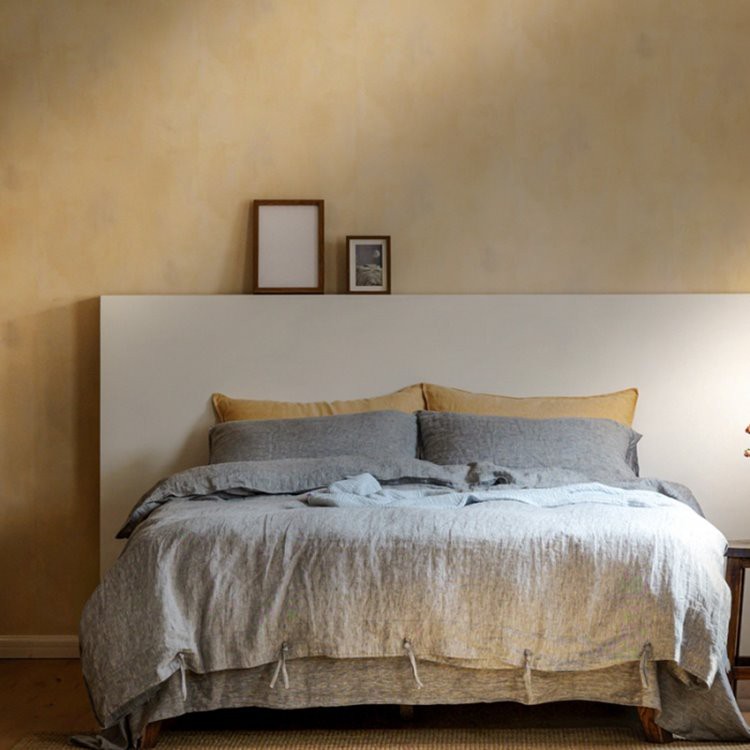

The AATCC has specific test methods, such as AATCC Test Method 100, which measures the percentage reduction of bacteria on a textile sample over a certain period. If a Solid Color Bedding Set has passed this test, you can be more confident in its antimicrobial performance.
DIY Testing
If you're really curious and want to do some testing at home, there are a few simple methods you can try. One is the swab test. You'll need some sterile cotton swabs and a petri dish with a growth medium (you can buy these online).
First, moisten the cotton swab with sterile water. Then, gently rub the swab on different parts of the bedding set, like the pillowcase or the fitted sheet. Next, streak the swab across the growth medium in the petri dish. Seal the dish and keep it in a warm, dark place for a few days. If there's a lot of microbial growth on the dish, it could mean that the bedding doesn't have strong antimicrobial properties.
Another DIY method is the smell test. Take a clean, unused bedding set and use it for a few days. Notice if it starts to develop an odor. If it stays fresh - smelling even after a few nights of use, it might have good antimicrobial protection.
Wash and Re - test
Antimicrobial properties can be affected by washing. Some treatments can wear off after multiple washes. So, it's a good idea to wash the bedding set according to the manufacturer's instructions and then re - test it.
After washing, you can do another visual inspection, smell test, or even repeat the swab test if you want. If the bedding still shows good resistance to microbial growth after several washes, it's a sign that the antimicrobial treatment is durable.
Real - World Use
Finally, the best test of all is real - world use. When you use the bedding set in your own bedroom, pay attention to how you feel. Do you notice fewer allergy symptoms? Does the bedding stay fresh - smelling for longer? If you or your family members have sensitive skin, see if there are any signs of irritation or rashes.
If you're satisfied with the performance of the bedding set in real - life situations, it's a strong indication that it has effective antimicrobial properties.
Conclusion
Testing if a bedding set has antimicrobial properties isn't always straightforward, but there are several ways to get a good idea. From visual inspections and checking manufacturer's claims to third - party testing and DIY methods, you can make an informed decision.
As a bedding set supplier, we're committed to providing high - quality products with reliable antimicrobial protection. If you're interested in purchasing a bedding set and want to know more about its antimicrobial properties, don't hesitate to reach out. We'd love to have a chat with you and help you find the perfect bedding for your needs. Whether it's a Flat Sheet, a Household Pure Linen Bedding Set, or a Solid Color Bedding Set, we've got you covered.
References
- American Association of Textile Chemists and Colorists (AATCC). AATCC Test Method 100.
- Various research studies on antimicrobial textiles in peer - reviewed journals.