

How to choose a blanket for camping?
Aug 13, 2025
Leave a message
When it comes to camping, one of the most crucial decisions you'll make is choosing the right blanket. A good camping blanket not only provides warmth but also adds comfort to your outdoor experience. As a seasoned blanket supplier, I've helped countless campers find the perfect blankets for their adventures. In this blog, I'll share some essential factors to consider when selecting a camping blanket and recommend a few of our top products.
1. Material
The material of a blanket significantly impacts its performance in a camping environment. Here are some common materials and their characteristics:
Cotton
Cotton is a popular choice for camping blankets due to its breathability and softness. It's comfortable against the skin and can absorb moisture, keeping you dry. Our Soft Lightweight Cotton Blanket is an excellent option. It's made from high - quality cotton, ensuring a gentle touch and good air circulation. However, cotton may take longer to dry if it gets wet, so it's better suited for dry camping conditions.
Waffle - Weave Materials
Waffle - weave blankets, like our Soft Waffle Blanket, are often made from a blend of materials. The waffle pattern creates air pockets that trap heat, providing excellent insulation. These blankets are also absorbent and quick - drying, making them suitable for a variety of camping situations, including near water sources.
Knit
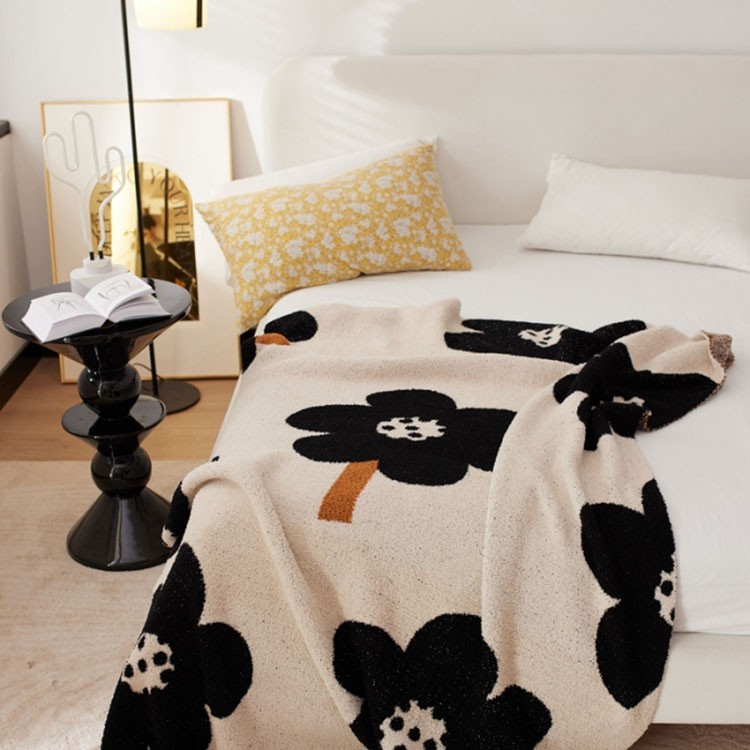
Knit blankets, such as our Knit Blanket, are known for their flexibility and warmth. They can conform to your body shape, providing a snug fit. Knit materials are usually lightweight, which is great for backpacking trips where every ounce counts. Additionally, they are often stretchy, making them easy to pack and carry.
2. Size
The size of the blanket depends on your intended use. If you're camping alone and plan to use the blanket mainly for sleeping, a single - sized blanket may be sufficient. However, if you're camping with a partner or want a blanket to use for sitting around the campfire, a larger, double - sized blanket would be more appropriate.
Consider the dimensions carefully. A blanket that is too small may leave you exposed to the cold, while one that is too large can be cumbersome to carry and manage. For backpacking, a compact, lightweight blanket that can be easily rolled up and strapped to your pack is ideal.
3. Weight
Weight is a critical factor, especially for backpackers. Every extra ounce in your pack can make a difference during a long hike. Look for lightweight blankets without sacrificing too much warmth. As mentioned earlier, materials like cotton and knit can offer a good balance between weight and insulation.
If you're car camping, weight may be less of a concern. You can opt for a heavier, more luxurious blanket that provides maximum comfort.
4. Insulation
Insulation is key to staying warm in the great outdoors. The insulation value of a blanket is often measured by its warmth - to - weight ratio. A higher ratio means the blanket provides more warmth for its weight.
Down and synthetic fills are common insulation materials. Down is known for its excellent warmth - to - weight ratio, but it loses its insulating properties when wet. Synthetic fills, on the other hand, can retain some of their warmth even when damp, making them a better choice for wetter camping conditions.
5. Durability
Camping can be rough on your gear, so durability is essential. Look for blankets with strong seams and high - quality materials. Reinforced edges can prevent fraying, and a sturdy fabric will withstand the wear and tear of outdoor use.
Consider the type of environment you'll be camping in. If you're camping in a rocky or abrasive area, a more rugged blanket may be necessary.
6. Ease of Cleaning
After a camping trip, you'll want to clean your blanket to keep it in good condition. Choose a blanket that is easy to clean. Many modern camping blankets can be machine - washed, which is convenient. However, make sure to follow the manufacturer's cleaning instructions to avoid damaging the blanket.
7. Water Resistance
If you're camping in a wet or humid environment, water resistance is crucial. Some blankets are treated with water - repellent coatings to keep you dry. However, it's important to note that water - resistant is not the same as waterproof. A waterproof blanket is more suitable for extremely wet conditions, such as heavy rain or near a lake.
Recommendations
Based on the above factors, here are some of our top - selling camping blankets:
- Soft Lightweight Cotton Blanket: This blanket is perfect for dry, warm camping nights. Its lightweight and breathable cotton material ensures a comfortable sleep. It's also easy to pack and carry, making it a great choice for backpackers.
- Soft Waffle Blanket: With its excellent insulation and quick - drying properties, the soft waffle blanket is suitable for a wide range of camping conditions. Whether you're near a river or in a cooler climate, this blanket will keep you warm and dry.
- Knit Blanket: The flexibility and lightweight nature of the knit blanket make it ideal for backpacking. It can be easily rolled up and carried in your backpack, and its stretchy material provides a snug fit.
Conclusion
Choosing the right blanket for camping is a personal decision that depends on your specific needs and preferences. By considering factors such as material, size, weight, insulation, durability, ease of cleaning, and water resistance, you can find a blanket that will enhance your camping experience.
If you're interested in our camping blankets or have any questions about choosing the right one for your next adventure, we'd love to hear from you. Feel free to reach out to us to discuss your requirements and start the procurement process. We're committed to providing high - quality blankets that meet your camping needs.
References
- Outdoor Gear Lab. "Camping Blanket Reviews."
- REI Co - op. "How to Choose a Camping Blanket."