

Can I use fabric softener on my bathrobe?
Jul 14, 2025
Leave a message
Can I use fabric softener on my bathrobe?
As a bathrobe supplier, I often get asked a variety of questions from customers about the care and maintenance of their bathrobes. One of the most common inquiries is whether it's okay to use fabric softener on bathrobes. In this blog post, I'll delve into this topic, providing you with all the scientific information you need to make an informed decision.
First, let's understand what fabric softener does. Fabric softeners are designed to make clothes feel softer, reduce static cling, and impart a pleasant fragrance. They work by coating the fibers of the fabric with a thin layer of chemicals. These chemicals typically contain cationic surfactants, which are positively charged and bond to the negatively charged fibers of the fabric. This coating makes the fibers slide over each other more easily, resulting in a softer feel.
Now, let's consider the characteristics of bathrobes. Bathrobes are usually made from materials like cotton, terry cloth, or a cotton blend. Cotton is a natural fiber known for its absorbency, breathability, and comfort. Terry cloth, a type of cotton fabric with loops on one or both sides, is especially absorbent, making it a popular choice for bathrobes. The absorbency of these materials is crucial for a bathrobe, as it allows the robe to quickly soak up moisture from your body after a bath or shower.
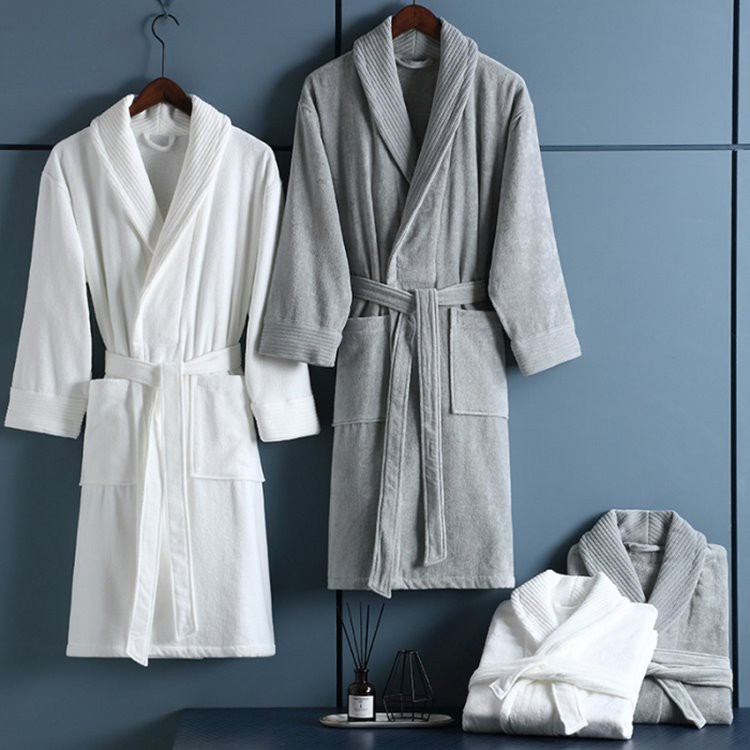
When you use fabric softener on a bathrobe, the chemicals in the softener can build up on the fibers. This buildup can have several negative effects. Firstly, it can reduce the absorbency of the bathrobe. The coating created by the fabric softener can block the pores in the cotton fibers, preventing them from effectively wicking away moisture. As a result, your bathrobe may not dry you off as well as it should, leaving you feeling damp and uncomfortable.
Secondly, the buildup of fabric softener can make the bathrobe less breathable. Breathability is important because it allows air to circulate through the fabric, keeping you cool and preventing the growth of bacteria and mold. When the fibers are coated with fabric softener, the air circulation is restricted, which can lead to a stuffy and unpleasant feeling when wearing the bathrobe.
Another potential issue is that fabric softener can cause the colors of the bathrobe to fade over time. The chemicals in the softener can react with the dyes used in the fabric, breaking them down and causing the colors to lose their vibrancy. This is especially true for darker colors, which may appear dull and washed out after repeated use of fabric softener.
However, there are some situations where using fabric softener on a bathrobe might be acceptable. If you have a bathrobe made from a synthetic material, such as polyester or nylon, the absorbency and breathability concerns may not be as significant. Synthetic fibers are generally less absorbent than natural fibers, and they may not be as affected by the buildup of fabric softener. In this case, using a small amount of fabric softener occasionally may help to make the bathrobe feel softer and reduce static cling.
If you still want to use fabric softener on your cotton or cotton blend bathrobe, there are some steps you can take to minimize the negative effects. One option is to use a fabric softener alternative, such as vinegar. Vinegar is a natural fabric softener that can help to remove odors and make the fabric feel softer without leaving a residue. To use vinegar as a fabric softener, simply add half a cup of white vinegar to the rinse cycle of your washing machine. The vinegar will help to break down any dirt and grime on the fibers and leave your bathrobe feeling fresh and soft.
Another option is to use fabric softener sparingly. Instead of adding fabric softener to every wash, you can use it once every few washes. This will reduce the amount of buildup on the fibers and minimize the negative effects on absorbency and breathability.
In addition to avoiding fabric softener, there are other ways to keep your bathrobe in good condition. Always follow the care instructions on the label of your bathrobe. Most bathrobes can be machine washed in cold water on a gentle cycle. Avoid using hot water, as it can shrink the fabric and cause the colors to fade. Use a mild detergent that is specifically designed for delicate fabrics. After washing, hang your bathrobe to dry in a well-ventilated area. Avoid using a dryer, as the high heat can damage the fibers and cause the bathrobe to shrink.
At our company, we offer a wide range of high-quality bathrobes, including the Men's Cotton Blend Bathrobe. Our bathrobes are made from premium materials and are designed to provide maximum comfort and absorbency. We take pride in the quality of our products and are committed to providing our customers with the best possible experience.
If you're in the market for a new bathrobe or have any questions about bathrobe care, we'd love to hear from you. Whether you're a retailer looking to stock our products or an individual interested in purchasing a bathrobe for yourself or as a gift, we're here to help. Contact us to discuss your needs and explore our range of bathrobes. We look forward to working with you and helping you find the perfect bathrobe for your lifestyle.
References
- Consumer Reports. "The Truth About Fabric Softeners." Accessed [Date].
- Textile Research Journal. "The Effects of Fabric Softeners on the Properties of Cotton Fabrics." [Author], [Year].
- American Cleaning Institute. "How Fabric Softeners Work." Accessed [Date].