

What is a Dresden plate quilt?
Jul 14, 2025
Leave a message
A Dresden plate quilt is a captivating and timeless piece of textile art that has charmed quilters and enthusiasts for generations. As a quilt supplier, I've had the privilege of exploring the rich history, intricate design, and diverse applications of Dresden plate quilts. In this blog, I'll delve into what makes a Dresden plate quilt so special, from its origins to modern interpretations, and why it continues to be a beloved choice for both traditional and contemporary quilting projects.
Origins of the Dresden Plate Quilt
The Dresden plate quilt traces its roots back to the mid - 19th century, a period when patchwork quilting was flourishing in America. The name "Dresden" is believed to be inspired by the elaborate porcelain plates produced in Dresden, Germany. These plates were known for their ornate, scalloped edges and delicate floral designs, which served as the inspiration for the quilt pattern.
The first Dresden plate quilt patterns emerged as a way to showcase a quilter's skill in cutting and piecing together small, curved fabric pieces. Quilters would cut out numerous fabric wedges, often in bright and bold colors, and arrange them in a circular pattern to mimic the shape of a plate. These wedges were then sewn together to form a single "plate," which could be used individually or combined with other plates to create a larger quilt top.
Design and Construction
At its core, a Dresden plate quilt is characterized by its circular or semi - circular arrangement of fabric wedges. Each wedge is typically cut from a single piece of fabric and has a curved outer edge and a straight inner edge. The wedges are usually arranged in a radial pattern, with the straight edges meeting at the center of the circle.
The number of wedges used in a Dresden plate can vary, but a common configuration is 18 or 20 wedges per plate. Quilters can choose to use a single color for all the wedges or create a more dynamic design by using a variety of colors and prints. The wedges can be sewn together by hand or machine, with each seam carefully pressed to ensure a smooth and even finish.
Once the individual Dresden plates are completed, they can be arranged in different ways to create a quilt top. Some quilters prefer to arrange the plates in a grid pattern, while others may choose a more random or asymmetrical layout. The plates can also be combined with other quilt blocks or sashing strips to add visual interest and dimension to the design.
Fabric Selection
Fabric selection is a crucial aspect of creating a Dresden plate quilt. Since the wedges are relatively small, it's important to choose fabrics with bold and vibrant prints that will stand out. Cotton fabrics are a popular choice for Dresden plate quilts because they are easy to work with, durable, and come in a wide range of colors and patterns.
For a traditional look, quilters may choose to use reproduction fabrics that mimic the prints and colors of the 19th - century era. These fabrics often feature floral, geometric, or paisley patterns in muted earth tones or bright, primary colors. However, modern interpretations of Dresden plate quilts can incorporate a wider range of fabrics, including batiks, solids, and novelty prints.
In addition to the fabrics used for the wedges, quilters also need to select a backing fabric and batting for their quilt. The backing fabric should be large enough to cover the entire quilt top with some extra allowance for turning under the edges. Batting can be made from a variety of materials, such as cotton, wool, or polyester, and provides insulation and loft to the quilt.
Modern Interpretations
While the Dresden plate quilt has a long and storied history, it has also evolved over time to incorporate modern design elements and techniques. Today, quilters are experimenting with new ways to use the Dresden plate pattern, such as creating large - scale wall hangings, table runners, or even clothing items.
One popular modern interpretation of the Dresden plate quilt is the use of negative space. Instead of filling the entire circle with fabric wedges, quilters may leave some areas empty to create a more contemporary and minimalist look. Another trend is the use of non - traditional shapes and sizes for the wedges, such as triangles or hexagons, to add a unique twist to the classic pattern.
In addition, modern quilters are also using technology to their advantage. Computer - generated quilt patterns and digital fabric printing allow for greater precision and creativity in designing and creating Dresden plate quilts. Quilters can now easily customize their patterns, experiment with different color combinations, and even share their designs with others online.
Types of Quilts Related to Dresden Plate Quilts
As a quilt supplier, I offer a variety of quilts that are related to the Dresden plate quilt in terms of style or construction. Two popular types of quilts that are often used in combination with or as alternatives to Dresden plate quilts are Fiber Quilt and Pure Cotton Quilt.
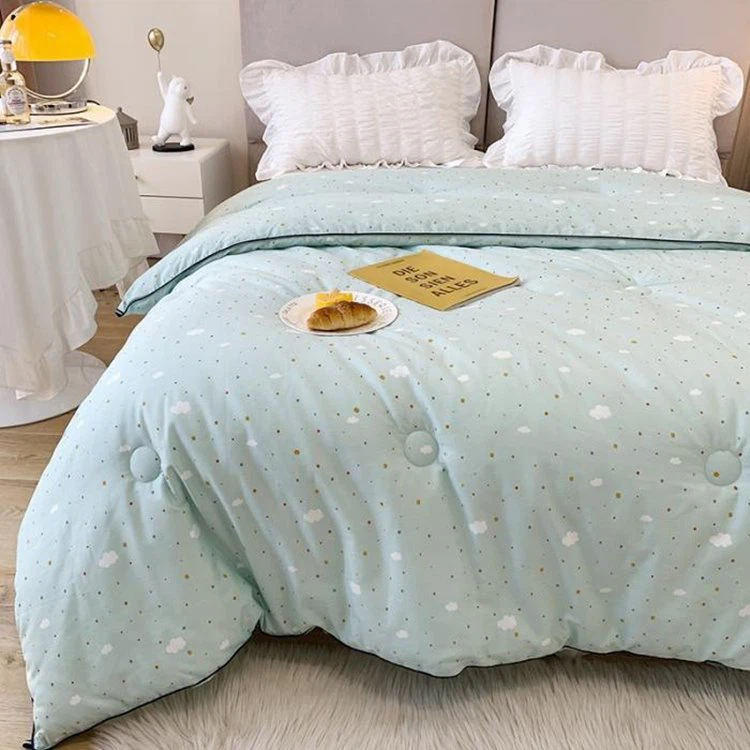
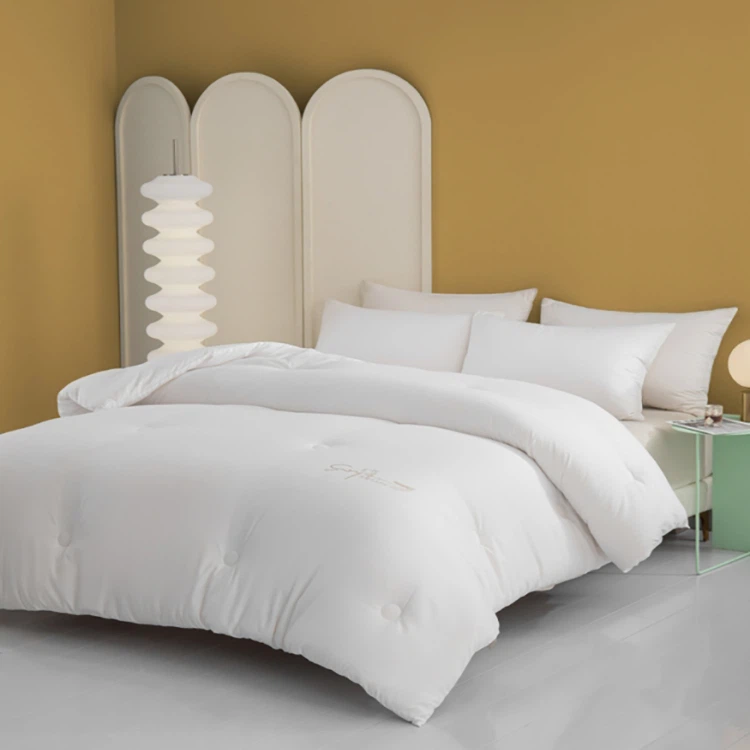
Fiber quilts are made from a blend of natural and synthetic fibers, which can offer a combination of softness, durability, and warmth. These quilts are often lightweight and easy to care for, making them a great choice for everyday use. Pure cotton quilts, on the other hand, are made entirely from cotton fabric, which is known for its breathability and hypoallergenic properties. Cotton quilts can come in a variety of styles and patterns, and they are a classic choice for traditional quilting projects.
Why Choose a Dresden Plate Quilt
There are several reasons why a Dresden plate quilt is a great choice for both quilters and consumers. For quilters, working on a Dresden plate quilt can be a rewarding and challenging experience. The intricate piecing and curved seams require patience and skill, but the end result is a beautiful and unique piece of art.
For consumers, a Dresden plate quilt can add a touch of elegance and charm to any home decor. Whether used as a bedspread, wall hanging, or throw blanket, a Dresden plate quilt is sure to become a focal point in any room. In addition, because each Dresden plate quilt is handmade, it has a one - of - a - kind quality that mass - produced items simply cannot match.
Contact for Purchase and Collaboration
If you're interested in purchasing a Dresden plate quilt or exploring other quilt options for your home or project, I'd love to hear from you. As a quilt supplier, I have a wide range of quilts in different styles, sizes, and colors to meet your needs. Whether you're looking for a traditional Dresden plate quilt or a modern interpretation, I can help you find the perfect piece.
Please feel free to reach out to me to discuss your requirements, ask questions, or request a quote. I'm committed to providing high - quality products and excellent customer service, and I look forward to working with you to create or find the quilt of your dreams.
References
- "The Quilter's Companion" by Harriet Hargrave
- "Quilting Through the Ages" by Barbara Brackman
- Online resources from the American Quilter's Society