

What are the best fabrics for a patchwork quilt?
Aug 20, 2025
Leave a message
As a seasoned quilt supplier, I've had the privilege of working with a wide array of fabrics in the creation of patchwork quilts. Patchwork quilting is an art form that combines different fabric pieces to form a cohesive and often intricate design. The choice of fabric is crucial as it not only affects the aesthetic appeal of the quilt but also its durability, comfort, and functionality. In this blog, I'll share some of the best fabrics for a patchwork quilt based on my years of experience in the industry.
Cotton
Cotton is by far the most popular choice for patchwork quilts, and for good reason. It is a natural fiber that is soft, breathable, and easy to work with. Cotton fabrics come in a vast range of colors, patterns, and textures, making them ideal for creating diverse and visually appealing patchwork designs.
One of the key advantages of cotton is its versatility. It can be used for both the top layer (the patchwork itself) and the backing of the quilt. For the patchwork, you can choose from a variety of cotton prints, such as floral, geometric, or novelty designs, to add personality and charm to your quilt. When selecting cotton for the backing, a solid color or a simple stripe can provide a clean and classic look.
Cotton is also known for its durability. It can withstand regular use and washing without losing its shape or color. This makes it a great choice for quilts that will be used on a daily basis, such as bed quilts or throw blankets. Additionally, cotton is hypoallergenic, which means it is suitable for people with sensitive skin.
If you're interested in a Pure Cotton Quilt, we offer a wide selection of high-quality cotton fabrics that are perfect for patchwork quilting. Our cotton fabrics are sourced from trusted suppliers and are carefully selected for their softness, colorfastness, and durability.
Flannel
Flannel is another excellent fabric for patchwork quilts, especially if you're looking for a quilt that is warm and cozy. Flannel is a type of cotton fabric that has been brushed on one or both sides to create a soft, fuzzy texture. This gives the fabric a warm and inviting feel, making it perfect for use in winter quilts or quilts for colder climates.
Like cotton, flannel comes in a variety of colors and patterns, allowing you to create unique and eye-catching patchwork designs. It is also relatively easy to work with, although it can be a bit more prone to fraying than regular cotton. To minimize fraying, it's a good idea to finish the edges of your fabric pieces before sewing them together.

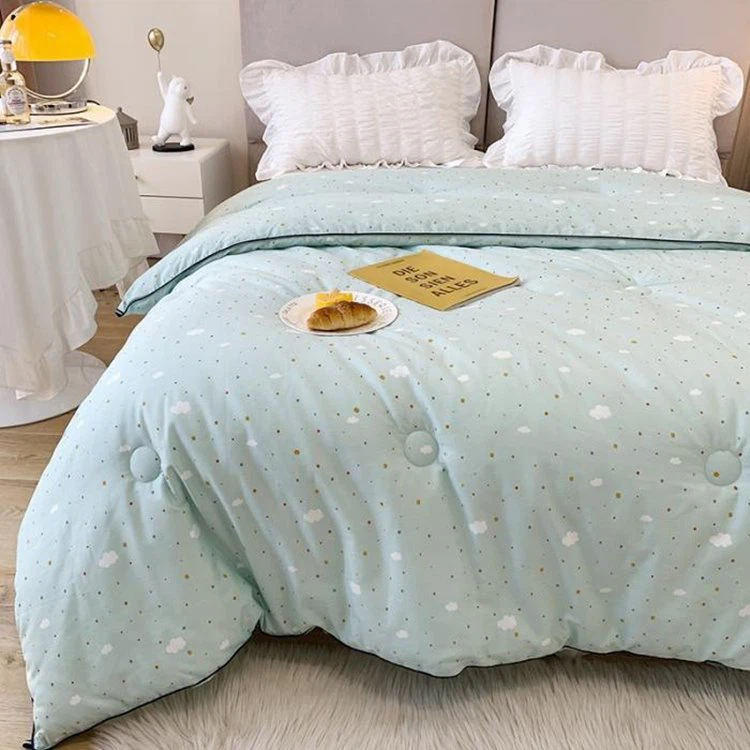
One of the benefits of using flannel in a patchwork quilt is its ability to trap air, which helps to insulate the quilt and keep you warm. This makes it a great choice for quilts that will be used on beds or as blankets. Flannel is also soft and gentle on the skin, making it suitable for people of all ages.
Silk
Silk is a luxurious and elegant fabric that can add a touch of sophistication to a patchwork quilt. It is a natural fiber that is known for its smooth, soft texture and beautiful sheen. Silk fabrics come in a variety of colors and patterns, including solid colors, prints, and brocades, allowing you to create a quilt that is truly unique and special.
One of the advantages of using silk in a patchwork quilt is its drape. Silk has a natural fluidity that gives the quilt a soft and flowing appearance. This makes it a great choice for quilts that will be used as wall hangings or decorative pieces. Additionally, silk is a breathable fabric, which means it can help to regulate body temperature and keep you comfortable while you sleep.
However, silk is also a more delicate fabric than cotton or flannel, and it requires special care when washing and handling. It is recommended to dry clean silk quilts or hand wash them in cold water with a mild detergent. Despite its delicate nature, silk can be a beautiful and rewarding fabric to work with in a patchwork quilt.
Linen
Linen is a natural fiber made from the flax plant. It is a strong and durable fabric that is known for its cool and breathable properties. Linen fabrics have a slightly rough texture and a natural look that can add a rustic and organic feel to a patchwork quilt.
One of the benefits of using linen in a patchwork quilt is its ability to absorb moisture. This makes it a great choice for quilts that will be used in warm climates or during the summer months. Linen also has a natural antibacterial property, which can help to keep the quilt fresh and clean.
Linen comes in a variety of colors and weights, allowing you to choose the right fabric for your project. It can be used for both the patchwork and the backing of the quilt. When working with linen, it's important to note that it can shrink slightly when washed, so it's a good idea to pre-wash the fabric before cutting it.
Wool
Wool is a warm and insulating fabric that is often used in winter quilts or quilts for colder climates. It is a natural fiber that is known for its softness, elasticity, and durability. Wool fabrics come in a variety of colors and textures, including felted wool, tweed, and wool blends, allowing you to create a quilt that is both functional and stylish.
One of the advantages of using wool in a patchwork quilt is its ability to retain heat. Wool fibers have a natural crimp that creates air pockets, which helps to trap heat and keep you warm. This makes it a great choice for quilts that will be used on beds or as blankets. Additionally, wool is a breathable fabric, which means it can help to regulate body temperature and prevent overheating.
However, wool is also a more expensive and delicate fabric than cotton or flannel, and it requires special care when washing and handling. It is recommended to dry clean wool quilts or hand wash them in cold water with a mild detergent. Despite its higher cost and maintenance requirements, wool can be a great choice for a high-quality and long-lasting patchwork quilt.
Synthetic Fabrics
In addition to natural fibers, there are also a variety of synthetic fabrics that can be used in patchwork quilts. Synthetic fabrics, such as polyester and nylon, are often less expensive than natural fibers and are available in a wide range of colors and patterns.
One of the advantages of using synthetic fabrics in a patchwork quilt is their durability. Synthetic fabrics are generally more resistant to wear and tear than natural fibers, which makes them a good choice for quilts that will be used on a regular basis. They are also easy to care for and can be machine washed and dried without shrinking or fading.
However, synthetic fabrics are not as breathable as natural fibers, which means they may not be as comfortable to use in warm climates or during the summer months. Additionally, some people may be allergic to synthetic fabrics, so it's important to consider this when choosing a fabric for your quilt.
Choosing the Right Fabric for Your Patchwork Quilt
When choosing a fabric for your patchwork quilt, there are several factors to consider. First, think about the purpose of the quilt. Is it a bed quilt, a throw blanket, a wall hanging, or a decorative piece? The intended use of the quilt will help you determine the type of fabric that is most suitable.
Next, consider the style and design of the quilt. Do you want a traditional, modern, or rustic look? The fabric you choose should complement the overall style of the quilt and enhance its visual appeal.
Finally, think about your personal preferences and budget. Some fabrics, such as silk and wool, are more expensive than others, so you'll need to decide how much you're willing to spend on the fabric. You should also consider the care requirements of the fabric and whether you're willing to take the time to care for it properly.
As a quilt supplier, we offer a wide range of fabrics for patchwork quilts, including cotton, flannel, silk, linen, wool, and synthetic fabrics. Our fabrics are carefully selected for their quality, color, and texture, and we offer a variety of options to suit every budget and style.
If you're interested in learning more about our fabrics or have any questions about patchwork quilting, please don't hesitate to contact us. We'd be happy to help you choose the right fabric for your project and provide you with any information or support you need. Whether you're a beginner or an experienced quilter, we're here to help you create a beautiful and unique patchwork quilt that you'll cherish for years to come. Let's start a conversation about your next quilt project and explore the possibilities together.
References
- "The Complete Guide to Quilting Fabrics" by Quilting Arts Magazine
- "Fabric Selection for Patchwork Quilts" by The Quilt Guild
- "Understanding Different Types of Quilting Fabrics" by Sewing World