

How to store urine pads to maintain their quality?
May 29, 2025
Leave a message
As a supplier of Urine Pads, I understand the importance of proper storage to maintain their quality. In this blog post, I will share some valuable insights on how to store Urine Pads effectively, ensuring they remain in optimal condition for your customers.
Understanding the Importance of Proper Storage
Urine Pads are designed to provide a hygienic and absorbent solution for various needs, such as baby care and incontinence management. However, improper storage can lead to a decline in their quality, affecting their performance and usability. Factors like humidity, temperature, and exposure to light can all have a negative impact on Urine Pads. By storing them correctly, you can preserve their absorbency, softness, and overall functionality, ensuring that they meet the high standards expected by your customers.
Ideal Storage Conditions
To maintain the quality of Urine Pads, it is crucial to store them in a cool, dry, and well-ventilated environment. Here are some key considerations:
Temperature
The ideal temperature range for storing Urine Pads is between 10°C and 30°C (50°F and 86°F). Extreme temperatures can cause the materials in the pads to degrade, leading to reduced absorbency and potential damage. Avoid storing them in areas that are prone to heat, such as near heaters or in direct sunlight, as this can accelerate the deterioration process.
Humidity
High humidity levels can cause Urine Pads to become damp, which can promote the growth of mold and bacteria. Aim to keep the humidity in the storage area below 60%. If you live in a humid climate, consider using a dehumidifier to maintain the appropriate moisture levels. Additionally, ensure that the storage containers are sealed tightly to prevent moisture from entering.
Light
Exposure to light, especially ultraviolet (UV) rays, can cause the colors of the Urine Pads to fade and the materials to weaken. Store them in a dark or dimly lit area, away from windows or other sources of direct sunlight. If possible, use opaque storage containers to further protect the pads from light.
Choosing the Right Storage Containers
Selecting the appropriate storage containers is essential for maintaining the quality of Urine Pads. Here are some options to consider:
Sealed Plastic Bags
Sealed plastic bags are a convenient and cost-effective way to store Urine Pads. They provide a barrier against moisture, dust, and pests. Make sure to choose high-quality, thick plastic bags that are airtight to prevent any air or moisture from getting in. Label the bags with the product name, size, and expiration date for easy identification.
Plastic Storage Bins
Plastic storage bins are a more durable option for storing larger quantities of Urine Pads. They come in various sizes and shapes, allowing you to organize the pads efficiently. Look for bins with tight-fitting lids to keep the pads protected. You can also use dividers or shelves inside the bins to separate different sizes or types of Urine Pads.
Original Packaging
If the Urine Pads come in sealed, factory packaging, it is best to keep them in their original containers. The original packaging is designed to protect the pads during transportation and storage. Make sure to seal the packaging tightly after each use to maintain the freshness of the pads.
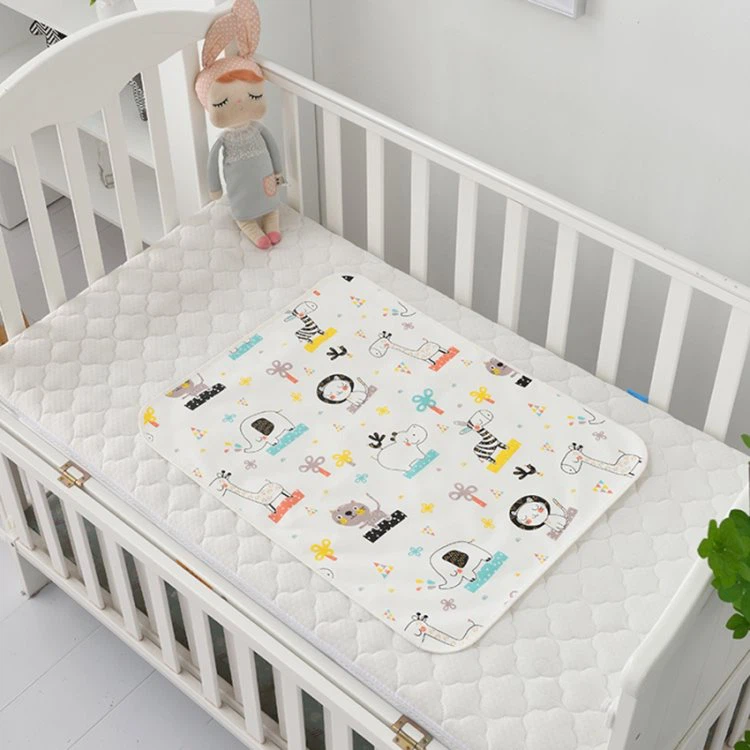
Handling and Organizing Urine Pads
Proper handling and organization of Urine Pads can also contribute to their quality preservation. Here are some tips:
Avoid Stacking Too High
When storing Urine Pads, avoid stacking them too high, as this can put pressure on the pads at the bottom and cause them to deform. Instead, stack them in a single layer or in small, manageable piles. This will help maintain the shape and integrity of the pads.
Rotate Stock
To ensure that the Urine Pads are used before their expiration date, practice the first-in, first-out (FIFO) method. This means using the oldest pads first and placing the newer ones at the back of the storage area. By rotating the stock regularly, you can minimize the risk of having expired products on hand.
Keep the Storage Area Clean
Regularly clean the storage area to prevent the accumulation of dust, dirt, and debris. Wipe down the shelves, bins, and containers with a damp cloth to remove any contaminants. This will help maintain a clean and hygienic environment for the Urine Pads.
Monitoring and Inspecting the Stored Urine Pads
It is important to regularly monitor and inspect the stored Urine Pads to ensure their quality. Here are some steps you can take:
Check for Signs of Damage
Periodically inspect the Urine Pads for any signs of damage, such as tears, holes, or discoloration. If you notice any damaged pads, remove them from the storage area immediately to prevent them from affecting the other pads.
Check the Expiration Date
Keep track of the expiration dates of the Urine Pads and make sure to use them before they expire. Expired pads may not provide the same level of performance and may pose a health risk to the users.
Conduct Quality Checks
From time to time, conduct quality checks on the stored Urine Pads to ensure that they meet the required standards. You can perform simple tests, such as checking the absorbency and softness of the pads, to verify their quality.
Conclusion
Proper storage is crucial for maintaining the quality of Urine Pads. By following the guidelines outlined in this blog post, you can ensure that your Urine Pads remain in optimal condition, providing your customers with a reliable and high-quality product. Remember to store them in a cool, dry, and well-ventilated environment, choose the right storage containers, handle and organize them properly, and regularly monitor and inspect the stored pads.
If you are interested in purchasing high-quality Urine Pads or have any questions about our products, please feel free to [initiate a conversation with us to discuss your procurement needs]. We are committed to providing you with the best products and services to meet your requirements.
References
- American Academy of Pediatrics. (2023). Caring for Your Baby and Young Child: Birth to Age 5.
- World Health Organization. (2023). Guidelines on Environmental Health.
- National Institute of Environmental Health Sciences. (2023). UV Radiation and Your Health.