

How to remove sweat stains from a bedding set?
Sep 04, 2025
Leave a message
Hey there! As a bedding set supplier, I've heard tons of questions from customers over the years. One of the most common ones is how to remove sweat stains from a bedding set. It's a real pain, right? Those pesky yellowish - brown marks can really ruin the look of your beautiful sheets and pillows. But don't worry, I've got some great tips and tricks that you can try out.
Understanding Sweat Stains
First off, let's talk about what sweat stains actually are. Sweat itself is mostly water, but it also contains salts, proteins, and other substances. When sweat comes into contact with your bedding, especially over time, these substances can react with the fabric and leave behind stains. And if you're someone who sweats a lot at night, maybe due to hot weather or certain health conditions, you're more likely to deal with this issue.
Pre - Treatment Steps
Before you throw your bedding set into the washing machine, there are a few pre - treatment steps you can take.
Spot Cleaning
For fresh sweat stains, spot cleaning can work wonders. You can make a simple cleaning solution at home. Mix a tablespoon of dish soap with a cup of warm water. Dip a clean cloth into the solution and gently blot the stain. Don't rub too hard, as that can spread the stain and damage the fabric. For tougher stains, you can also try using a mixture of hydrogen peroxide and water. But be careful, as hydrogen peroxide can bleach some fabrics, especially colored ones. So, test it on a small, hidden area of your Flat Sheet or Envelope Pillowcase first.
Soaking
Soaking your bedding in a pre - soak solution can also help loosen the sweat stains. You can use a commercial pre - soak product, or make your own. A mixture of baking soda and water is a great natural option. Just dissolve about half a cup of baking soda in a large bucket of warm water. Then, submerge your stained bedding in the solution and let it soak for at least an hour. The baking soda will help break down the proteins in the sweat and lift the stains.
Washing Your Bedding Set
Now that you've pre - treated the stains, it's time to wash your bedding.
Choosing the Right Detergent
Not all detergents are created equal when it comes to removing sweat stains. Look for a detergent that is specifically formulated for tough stains. Some detergents contain enzymes that can break down the proteins in sweat. You can also add a cup of white vinegar to the wash cycle. Vinegar is a natural deodorizer and can help remove the smell associated with sweat stains.
Water Temperature
The water temperature you use can also make a difference. For most bedding sets, especially Pure Cotton Bedding Set, warm water is a good choice. Warm water can help dissolve the detergent better and remove the stains more effectively. However, be careful not to use water that is too hot, as it can shrink or damage the fabric.
Wash Cycle
Select a gentle or normal wash cycle depending on the fabric of your bedding. If your bedding is made of delicate materials, a gentle cycle is recommended to avoid damage. Make sure to separate your colored and white bedding to prevent color bleeding.
Drying Your Bedding
After washing, it's time to dry your bedding.
Air Drying
Air drying is the best option for your bedding, especially if it has sweat stains. The sun's natural UV rays can help bleach the stains and remove any remaining odor. Hang your bedding outside on a clothesline, but make sure to turn it over occasionally to ensure even drying. If you can't air dry outside, you can also hang it indoors in a well - ventilated area.
Using a Dryer
If you need to use a dryer, use a low - heat setting. High heat can set the sweat stains and make them even harder to remove. Also, remove your bedding from the dryer as soon as the cycle is finished to prevent wrinkles.
Preventing Sweat Stains
Of course, prevention is better than cure. Here are some tips to prevent sweat stains on your bedding set.
Use a Mattress Protector
A mattress protector can act as a barrier between your body and the bedding. It can absorb sweat and other fluids, preventing them from reaching your sheets and pillows. There are many different types of mattress protectors available, from waterproof ones to those made of breathable materials.
Change Your Bedding Regularly
Changing your bedding regularly is a simple but effective way to prevent sweat stains. Aim to change your sheets and pillowcases at least once a week. This will keep your bedding fresh and reduce the build - up of sweat and other substances.
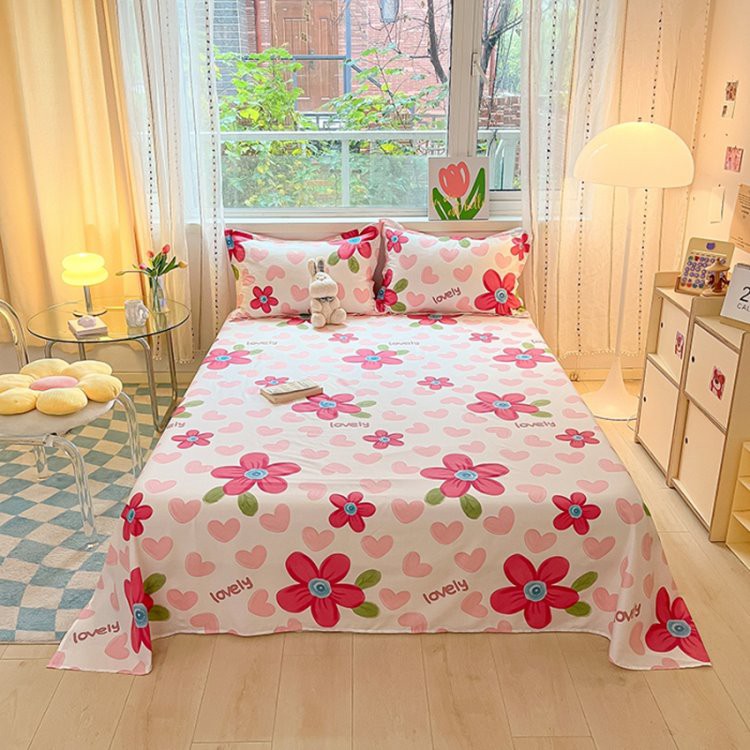

Control the Temperature in Your Bedroom
Keeping your bedroom at a comfortable temperature can also help reduce sweating. Use a fan or air conditioner to keep the room cool, especially during hot weather. You can also choose bedding made of breathable materials, such as cotton, which can help wick away sweat and keep you cool at night.
When to Seek Professional Help
If you've tried all these methods and the sweat stains still won't come out, it might be time to seek professional help. A professional dry cleaner has the equipment and expertise to deal with tough stains. However, dry cleaning can be expensive, so it's best to try the home remedies first.
In conclusion, removing sweat stains from a bedding set doesn't have to be a nightmare. With the right pre - treatment, washing, and drying methods, you can keep your bedding looking clean and fresh. And by taking preventive measures, you can reduce the chances of getting sweat stains in the first place.
If you're in the market for a new bedding set, whether it's a Pure Cotton Bedding Set, Flat Sheet, or Envelope Pillowcase, I'm here to help. As a bedding set supplier, I can offer you high - quality products at competitive prices. If you're interested in purchasing or have any questions, feel free to reach out and start a procurement discussion.
References
- "Home Cleaning Hacks: Removing Tough Stains" - A collection of home cleaning tips from various experts.
- "Textile Care Guide" - A guide published by a leading textile research institute on how to care for different types of fabrics.