

How to pair a tablecloth with a table centerpiece?
Jun 12, 2025
Leave a message
Hey there! If you're in the process of sprucing up your dining area or planning an event, you're probably thinking about how to pair a tablecloth with a table centerpiece. As a tablecloths supplier, I've seen firsthand how the right combination can transform a simple table into a stunning focal point. In this blog, I'll share some tips and tricks to help you create the perfect pairing.
Understanding the Basics
Before we dive into the details, let's start with the basics. A tablecloth serves as the foundation for your table setting. It not only protects your table but also sets the tone for the overall decor. On the other hand, a table centerpiece is the star of the show. It draws the eye and adds a touch of personality to the table.
The key to pairing a tablecloth with a table centerpiece is to create a harmonious balance between the two. You want the tablecloth to complement the centerpiece without overpowering it. At the same time, the centerpiece should enhance the beauty of the tablecloth and tie the whole look together.
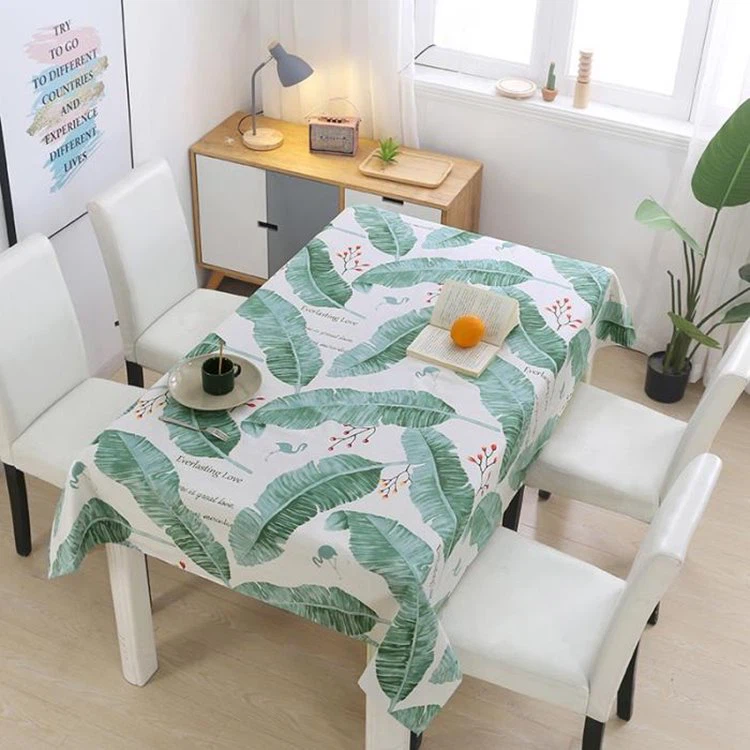
Consider the Occasion
One of the first things to consider when pairing a tablecloth with a table centerpiece is the occasion. Different events call for different styles and themes. For example, a formal dinner party may require a more elegant and sophisticated look, while a casual brunch with friends can be more relaxed and fun.
- Formal Events: For formal events such as weddings, galas, or business dinners, opt for a classic white or ivory tablecloth. These colors are timeless and add a touch of elegance to any table. Pair it with a simple yet sophisticated centerpiece, such as a single vase with a few long-stemmed flowers or a candelabra with tapered candles. You can also add some sparkle with a beaded or sequined table runner.
- Casual Gatherings: For casual gatherings such as family dinners, picnics, or backyard barbecues, choose a more colorful and playful tablecloth. Stripes, polka dots, or floral prints are great options. Pair it with a fun and festive centerpiece, such as a mason jar filled with wildflowers or a group of candles in different sizes and shapes. You can also add some personal touches, such as a photo frame or a small statue.
- Seasonal Events: For seasonal events such as Thanksgiving, Christmas, or Easter, incorporate seasonal colors and themes into your table setting. For example, for Thanksgiving, you can use a tablecloth in warm earth tones such as brown, orange, and yellow, and pair it with a centerpiece of pumpkins, gourds, and fall foliage. For Christmas, a red and green tablecloth with a centerpiece of poinsettias and candles is a classic choice.
Think About the Color Scheme
Another important factor to consider when pairing a tablecloth with a table centerpiece is the color scheme. The colors you choose should complement each other and create a cohesive look.
- Monochromatic Scheme: A monochromatic color scheme uses different shades and tones of the same color. This creates a sophisticated and elegant look. For example, you can use a light blue tablecloth and pair it with a centerpiece of blue hydrangeas or a blue glass vase with white flowers.
- Complementary Scheme: A complementary color scheme uses colors that are opposite each other on the color wheel. This creates a bold and vibrant look. For example, you can use a purple tablecloth and pair it with a centerpiece of yellow daffodils or a yellow candle holder.
- Analogous Scheme: An analogous color scheme uses colors that are next to each other on the color wheel. This creates a harmonious and soothing look. For example, you can use a green tablecloth and pair it with a centerpiece of green and yellow flowers or a green glass vase with white candles.
Match the Style
In addition to the occasion and color scheme, you also need to consider the style of your tablecloth and centerpiece. They should match in terms of their overall design and aesthetic.
- Traditional Style: If you have a traditional dining room with antique furniture and classic decor, choose a tablecloth and centerpiece that reflect this style. A damask or brocade tablecloth with a traditional floral or geometric pattern is a great choice. Pair it with a centerpiece of crystal vases, silver candlesticks, or a porcelain figurine.
- Modern Style: For a modern dining room with sleek furniture and contemporary decor, opt for a minimalist tablecloth and centerpiece. A solid-colored tablecloth in a neutral color such as black, white, or gray is a good option. Pair it with a simple centerpiece of a single sculpture, a modern art piece, or a group of clear glass containers filled with water and floating candles.
- Rustic Style: If you have a rustic dining room with wooden furniture and natural decor, choose a tablecloth and centerpiece that have a rustic charm. A burlap or linen tablecloth with a natural texture is a great choice. Pair it with a centerpiece of wildflowers, a wooden box filled with fruit, or a mason jar with a candle.
Pay Attention to the Size and Proportion
The size and proportion of your tablecloth and centerpiece are also important. They should be in proportion to the size of your table and the number of guests.
- Tablecloth Size: The tablecloth should cover the entire table and drape down the sides. For a rectangular table, the tablecloth should be at least 12 inches longer and wider than the table. For a round table, the tablecloth should be at least 18 inches wider than the table. You can also use a table runner to add some visual interest and dimension to the table.
- Centerpiece Size: The centerpiece should be the right size for the table. It should not be too large or too small. A good rule of thumb is to choose a centerpiece that is about one-third the length of the table. If you have a large table, you can use multiple centerpieces or a long and low centerpiece that runs the length of the table.
Experiment with Different Textures
Finally, don't be afraid to experiment with different textures to add some depth and interest to your table setting.
- Tablecloth Textures: Tablecloths come in a variety of textures, such as cotton, linen, silk, satin, and polyester. Each texture has its own unique look and feel. Cotton and linen are natural fibers that are soft and breathable, while silk and satin are more luxurious and shiny. Polyester is a synthetic fiber that is durable and easy to care for.
- Centerpiece Textures: You can also add some texture to your centerpiece by using different materials. For example, you can use a glass vase with a rough or textured surface, a wooden box with a distressed finish, or a metal candle holder with a hammered texture. You can also add some natural elements, such as branches, leaves, or moss, to add some organic texture.
Conclusion
Pairing a tablecloth with a table centerpiece is all about creating a harmonious balance between the two. By considering the occasion, color scheme, style, size, and texture, you can create a table setting that is both beautiful and functional.
As a tablecloths supplier, I offer a wide range of tablecloths in different colors, patterns, and textures to suit your needs and preferences. Check out our Machine Washable Cotton Tablecloth for a durable and easy-to-care-for option.
If you have any questions or need help choosing the right tablecloth and centerpiece for your event, please don't hesitate to contact us. We're here to help you create the perfect table setting.
References
- "Table Setting Etiquette: How to Set a Table for Any Occasion." Martha Stewart.
- "The Ultimate Guide to Tablecloths." Real Simple.
- "How to Choose the Right Centerpiece for Your Table." Better Homes & Gardens.