

Are urine pads environmentally friendly?
Nov 28, 2025
Leave a message
As a supplier of Urine Pads, I've often pondered the question: Are urine pads environmentally friendly? This is a topic that has gained significant attention in recent years, as consumers become more conscious of the environmental impact of the products they use. In this blog post, I'll delve into the various aspects of urine pads and their environmental implications, drawing on scientific research and industry knowledge.
The Composition of Urine Pads
To understand the environmental friendliness of urine pads, it's essential to first examine their composition. Most urine pads consist of several layers, including a top sheet, an absorbent core, and a back sheet. The top sheet is typically made of a non - woven fabric, which allows urine to pass through quickly. The absorbent core is often composed of a combination of fluff pulp and superabsorbent polymers (SAPs). These SAPs can absorb and retain large amounts of liquid, keeping the baby or user dry. The back sheet is usually a polyethylene film that prevents leakage.
The production of these materials has different environmental impacts. The non - woven fabrics used in the top sheet are often made from synthetic fibers such as polypropylene. The production of polypropylene involves the extraction and processing of fossil fuels, which contributes to greenhouse gas emissions and environmental degradation. Similarly, the polyethylene film used in the back sheet is also derived from fossil fuels.
The fluff pulp, on the other hand, is sourced from wood. While wood is a renewable resource, the logging and processing of trees for fluff pulp can have negative environmental consequences if not managed sustainably. Deforestation can lead to habitat loss, soil erosion, and a decrease in biodiversity. Moreover, the production process of fluff pulp often involves the use of chemicals and large amounts of water, which can further strain the environment.
The superabsorbent polymers are synthesized through complex chemical processes. These processes require energy and can generate waste and emissions. Additionally, SAPs are not easily biodegradable, which means they can persist in the environment for a long time after disposal.
Environmental Impact During Use
During their use, urine pads can also have environmental implications. One of the main concerns is the amount of waste generated. Babies typically use several urine pads a day, and the cumulative amount of waste can be substantial. In landfills, urine pads take up a significant amount of space. Moreover, as they break down, they can release methane, a potent greenhouse gas that contributes to climate change.
Another issue is the potential for chemical leaching. Some urine pads may contain chemicals such as fragrances, dyes, and antimicrobial agents. These chemicals can leach into the environment, especially in landfills where the pads are exposed to moisture. They can contaminate soil and groundwater, posing risks to human health and the ecosystem.
Environmental Impact During Disposal
The disposal of urine pads is a major environmental challenge. Most urine pads end up in landfills, where they decompose slowly. As mentioned earlier, the non - biodegradable components, such as SAPs and polyethylene films, can persist in landfills for decades. This not only takes up valuable landfill space but also contributes to the accumulation of waste.
Some municipalities offer recycling programs for certain types of plastics, but urine pads are often not included in these programs due to their complex composition. Separating the different layers of a urine pad for recycling is a technically challenging and costly process. As a result, the majority of urine pads are not recycled, further exacerbating the environmental problem.
Efforts Towards Environmental Friendliness
Despite these challenges, the urine pad industry has been making efforts to improve the environmental friendliness of its products. Many manufacturers are now using more sustainable materials in their urine pads. For example, some companies are replacing traditional fluff pulp with bamboo pulp or other renewable fibers. Bamboo is a fast - growing plant that requires less water and fewer pesticides compared to traditional wood sources.
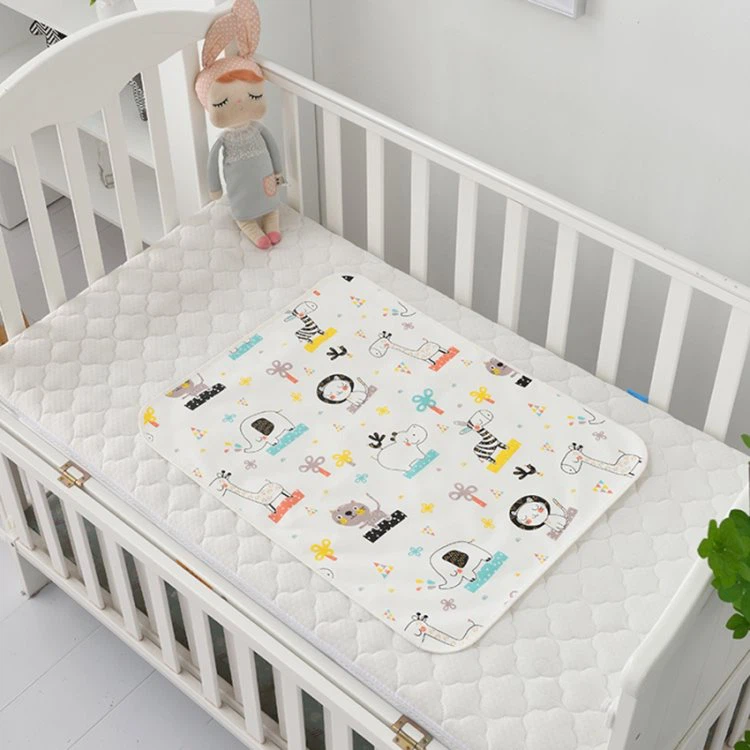
In addition, there is a growing trend towards the use of biodegradable and compostable materials in urine pads. Some manufacturers have developed urine pads with biodegradable back sheets and absorbent cores. These pads can break down more quickly in the environment, reducing their long - term impact.
Moreover, companies are also working on reducing the chemical content of urine pads. They are developing fragrance - free, dye - free, and hypoallergenic products that are less likely to cause environmental contamination.
The Role of Consumers
Consumers also play a crucial role in promoting the environmental friendliness of urine pads. By choosing products made from sustainable materials and supporting companies that are committed to environmental protection, consumers can drive the market towards more eco - friendly options.
In addition, proper disposal of urine pads is essential. Some consumers may choose to use a composting system for biodegradable urine pads, which can further reduce the environmental impact. Others can advocate for better waste management and recycling programs in their communities.
Our Company's Initiatives
As a urine pad supplier, we are deeply committed to environmental sustainability. We have been actively researching and developing more eco - friendly urine pads. We source our materials from sustainable suppliers and are constantly exploring new ways to reduce the environmental impact of our products.
We offer a range of Urine Pad options that are made from renewable and biodegradable materials. Our products are designed to be both effective and environmentally friendly. We also provide clear instructions on proper disposal to our customers, encouraging them to make more sustainable choices.
If you are interested in our Urine Pad products, we invite you to contact us for a procurement discussion. We believe that by working together, we can make a positive impact on the environment while meeting the needs of consumers.
Conclusion
In conclusion, the question of whether urine pads are environmentally friendly is complex. While traditional urine pads have significant environmental drawbacks, the industry is making progress in developing more sustainable alternatives. Through the use of renewable materials, biodegradable components, and reduced chemical content, urine pads can become more eco - friendly.
Consumers also have a role to play in this process. By being more informed and making sustainable choices, they can contribute to a greener future. As a urine pad supplier, we are dedicated to leading the way in environmental sustainability and are eager to work with partners to promote the use of more eco - friendly urine pads.
References
- "The Environmental Impact of Diapers" by Environmental Protection Agency.
- "Sustainable Materials in the Baby Care Industry" by Journal of Sustainable Product Design.
- "Biodegradable and Compostable Diapers: A Review" by International Journal of Environmental Science and Technology.