

How to make a fiber quilt with a wave pattern?
May 09, 2025
Leave a message
Creating a fiber quilt with a wave pattern is a rewarding and artistic endeavor that combines functionality with aesthetic appeal. As a seasoned Fiber Quilt supplier, I'm excited to share with you the step-by-step process of making such a unique and beautiful quilt. Whether you're a novice quilter or an experienced crafter, this guide will provide you with all the information you need to create a stunning wave-patterned fiber quilt.
Materials and Tools
Before you begin, gather the following materials and tools: - Fiber Fill: High-quality fiber fill is the heart of your quilt. It provides warmth, softness, and durability. You can choose from a variety of fiber fills, such as polyester, cotton, or a blend of both. As a Fiber Quilt supplier, we offer a wide range of fiber fills to suit your needs. Fiber Quilt - Fabric: Select fabrics that complement each other and match the color scheme of your wave pattern. You'll need fabric for the quilt top, backing, and binding. Consider using Pure Cotton Quilt fabric for a soft and breathable feel. - Thread: Choose a strong and durable thread that matches the color of your fabric. Cotton or polyester thread is a popular choice for quilting. - Quilting Ruler and Rotary Cutter: These tools are essential for cutting fabric accurately. A quilting ruler with a grid pattern will help you measure and cut straight lines. - Sewing Machine: A good-quality sewing machine is necessary for stitching the quilt layers together. Make sure your machine is in good working condition and has the appropriate needles and feet for quilting. - Pins and Needles: Use straight pins to hold the fabric layers together while you sew. You'll also need hand-sewing needles for finishing touches, such as binding the edges of the quilt. - Quilting Template or Pattern: You can create your own wave pattern or use a pre-made quilting template. There are many free and paid templates available online or in quilting stores.
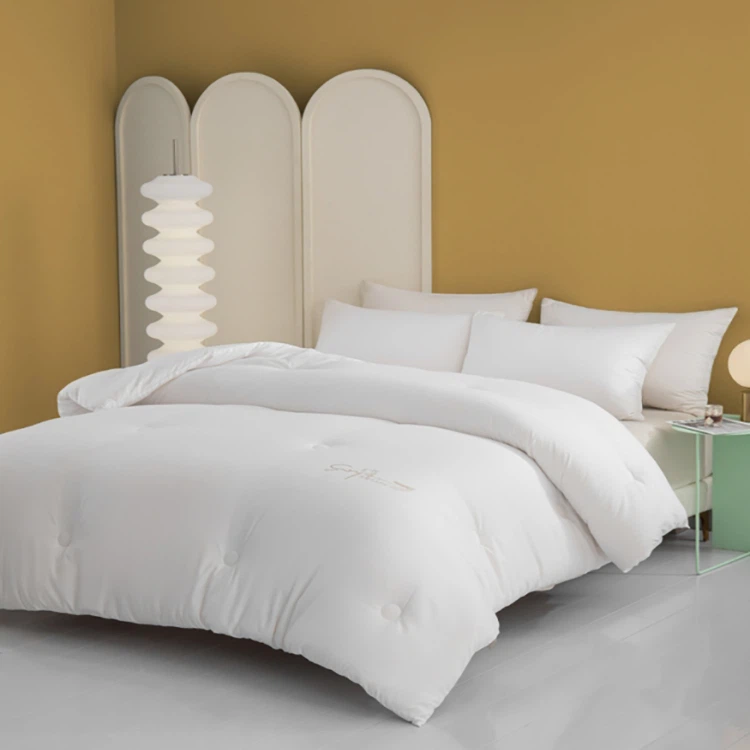
Step 1: Design Your Wave Pattern
The first step in making a wave-patterned fiber quilt is to design your pattern. You can use a pencil and paper to sketch out your design or use a computer program to create a digital pattern. Consider the size and shape of your quilt, as well as the color scheme and fabric choices. You may want to experiment with different wave shapes and sizes to find the one that suits your style.
Step 2: Cut the Fabric
Once you have your pattern designed, it's time to cut the fabric. Use your quilting ruler and rotary cutter to cut the fabric pieces according to your pattern. Make sure to cut the pieces accurately and leave a small seam allowance around each piece. You may want to label the pieces with a fabric marker or sticky notes to keep them organized.
Step 3: Assemble the Quilt Top
Now it's time to assemble the quilt top. Lay out the fabric pieces on a flat surface according to your pattern. Use straight pins to hold the pieces together at the seams. Start sewing the pieces together using your sewing machine. Make sure to sew a straight seam and use a consistent stitch length. You may want to press the seams open or to one side as you sew to make the quilt top lie flat.
Step 4: Prepare the Backing and Batting
While the quilt top is being assembled, prepare the backing and batting. Cut the backing fabric to the desired size, leaving a few inches of extra fabric around the edges. Lay the batting on top of the backing fabric and smooth it out to remove any wrinkles or bumps.
Step 5: Layer the Quilt
Once the quilt top, backing, and batting are ready, it's time to layer the quilt. Lay the backing fabric, wrong side up, on a large flat surface. Place the batting on top of the backing fabric, followed by the quilt top, right side up. Use straight pins to hold the layers together at the edges and in the center of the quilt. You may want to use a quilting safety pin or a basting spray to secure the layers more firmly.
Step 6: Quilt the Wave Pattern
Now it's time to quilt the wave pattern onto the quilt. You can use a variety of quilting techniques, such as hand quilting, machine quilting, or free-motion quilting. Choose the technique that you're most comfortable with and that suits the style of your quilt. If you're using a sewing machine, you can use a walking foot or a free-motion foot to quilt the wave pattern. Make sure to stitch slowly and carefully, following the lines of your pattern.
Step 7: Bind the Edges
Once the quilting is complete, it's time to bind the edges of the quilt. Cut a strip of binding fabric to the desired width and length. Fold the strip in half lengthwise, wrong sides together, and press it with an iron. Pin the binding strip to the edge of the quilt, starting at one corner. Sew the binding strip to the quilt using a straight stitch, leaving a small opening at one end. Turn the quilt over and fold the binding strip to the back of the quilt. Sew the binding strip to the back of the quilt using a hand stitch or a machine stitch.
Step 8: Finish the Quilt
The final step in making a wave-patterned fiber quilt is to finish the quilt. Trim any excess fabric from the edges of the quilt and remove any pins or basting stitches. Wash and dry the quilt according to the care instructions on the fabric labels. Press the quilt with an iron to remove any wrinkles and to give it a finished look.
Conclusion
Making a fiber quilt with a wave pattern is a fun and creative way to express your personality and style. By following these steps and using high-quality materials and tools, you can create a beautiful and unique quilt that will last for years to come. As a Fiber Quilt supplier, we're committed to providing you with the best products and services to help you achieve your quilting goals. If you have any questions or need further assistance, please don't hesitate to contact us. We look forward to working with you and helping you create your next masterpiece.
References
- "Quilting for Beginners: A Step-by-Step Guide" by Jane Doe
- "The Complete Guide to Quilting" by John Smith
- "Fiber Quilts: Design and Techniques" by Mary Johnson