

How do I make a fiber quilt look more professional?
Nov 07, 2025
Leave a message
In the world of home textiles, a fiber quilt stands out as a popular choice for its comfort and versatility. As a dedicated Fiber Quilt supplier, I've had the privilege of witnessing the transformation of these quilts from simple bedding items to works of art. In this blog, I'll share some insights on how to make a fiber quilt look more professional, which not only enhances its aesthetic appeal but also adds value to your product line.
1. Select High - Quality Materials
The foundation of a professional - looking fiber quilt lies in the quality of its materials. When sourcing fibers, opt for those with a fine texture and high durability. Natural fibers like cotton and wool can be blended with synthetic fibers to create a balanced combination. Cotton provides breathability and a soft feel, while synthetic fibers offer resilience and shape retention.
For the quilt cover, choose a high - thread - count fabric. A higher thread count means a smoother, more luxurious surface. Pure cotton quilts, in particular, are a classic choice. Their natural fibers are hypoallergenic and have a timeless appeal. You can explore our Pure Cotton Quilt collection to see the difference high - quality materials can make.

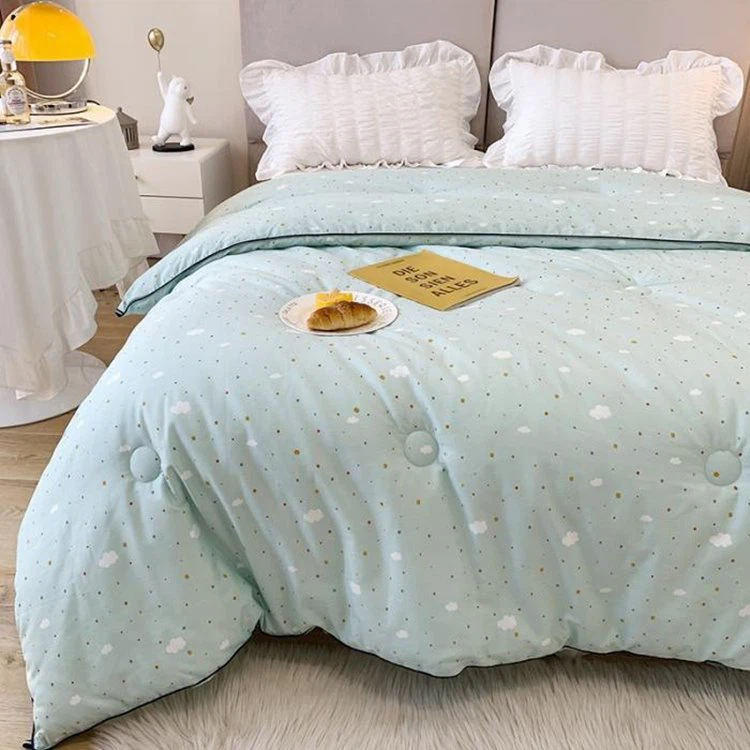
2. Precision in Cutting and Sewing
Precision is key when it comes to the construction of a fiber quilt. Start by using sharp cutting tools to ensure clean, straight edges. A rotary cutter and a cutting mat are essential for accurate cuts. When cutting the quilt layers, make sure they are all the same size and shape.
In terms of sewing, use a high - quality thread that matches the color of the quilt cover. A straight stitch is the most common choice for quilting, but you can also experiment with decorative stitches to add a unique touch. Sewing machines with adjustable stitch length and width allow you to customize the look of your quilt. Make sure the seams are evenly spaced and the stitching is tight to prevent the fibers from shifting over time.
3. Thoughtful Design and Pattern Selection
A well - designed fiber quilt can elevate its appearance from ordinary to extraordinary. Consider the color scheme and pattern of the quilt. Neutral colors like white, beige, and gray are timeless and can complement any bedroom decor. However, if you want to make a bold statement, you can choose vibrant colors or geometric patterns.
Quilting patterns can also add depth and dimension to the quilt. Traditional patterns like the log cabin, flying geese, or starburst are popular choices. You can either use pre - printed quilting templates or create your own designs. When selecting a pattern, make sure it is appropriate for the size and style of the quilt.
4. Professional Quilting Techniques
Quilting is the process of stitching the three layers of the quilt (top, batting, and backing) together. There are several professional quilting techniques that can enhance the look of your fiber quilt.
- Hand Quilting: Hand quilting is a time - honored tradition that adds a personal touch to the quilt. It involves using a needle and thread to stitch the layers together by hand. Hand - quilted quilts have a unique, irregular pattern that gives them a rustic charm.
- Machine Quilting: Machine quilting is faster and more precise than hand quilting. You can use a domestic sewing machine or a long - arm quilting machine for this purpose. Machine quilting allows you to create complex patterns and designs with ease.
- Free - Motion Quilting: Free - motion quilting is a technique where you move the quilt under the sewing machine needle in a free - form motion. This technique allows you to create unique, organic patterns that add a modern touch to the quilt.
5. Finishing Touches
The finishing touches can make a big difference in the overall look of a fiber quilt. After quilting, trim the excess fabric from the edges of the quilt to give it a clean, professional finish. You can then add a binding to the edges of the quilt. Binding is a strip of fabric that is sewn around the perimeter of the quilt to protect the edges and give it a polished look.
You can choose a binding fabric that matches or contrasts with the quilt cover. A bias - cut binding is often preferred because it has more stretch and can conform to the curves of the quilt more easily. Sew the binding to the front of the quilt first, then fold it over to the back and stitch it down.
6. Proper Packaging and Presentation
Once your fiber quilt is complete, it's important to package and present it in a professional manner. Use a clear plastic bag or a fabric storage bag to protect the quilt from dust and dirt. You can also add a label to the bag that includes information about the quilt, such as the size, materials, and care instructions.
When displaying the quilt, use a quilt rack or a hanger to showcase its full beauty. You can also fold the quilt neatly and place it on a bed or a sofa to create an inviting atmosphere.
7. Quality Control and Inspection
Before selling your fiber quilts, it's crucial to conduct a thorough quality control and inspection. Check for any loose threads, uneven stitching, or fabric defects. Make sure the quilt is evenly filled with fibers and there are no lumps or bumps.
You can also test the durability of the quilt by gently pulling on the seams and edges. If the quilt passes all the quality control checks, you can be confident that it meets the highest standards of professionalism.
Contact for Purchase and Collaboration
If you're interested in purchasing our high - quality Fiber Quilt products or collaborating with us, we'd love to hear from you. Whether you're a retailer looking to expand your product line or a distributor seeking reliable suppliers, our fiber quilts are designed to meet your needs. We offer competitive pricing, customizable options, and excellent customer service. Reach out to us today to start a discussion about your requirements.
References
- "The Complete Guide to Quilting" by Judy Hopkins
- "Quilting Techniques for Beginners" by Sarah Smith
- "Home Textiles: Design and Production" by John Doe