

Are polyester towels durable?
Nov 11, 2025
Leave a message
In the world of towels, durability is a key factor that consumers often consider when making a purchase. Polyester towels have become a popular choice in recent years, but the question remains: are polyester towels durable? As a towel supplier, I've had extensive experience with various towel materials, and in this blog, I'll delve into the durability of polyester towels, exploring their pros, cons, and how they stack up against other materials.
What is Polyester?
Polyester is a synthetic fiber made from polymers derived from petroleum. It was first developed in the 1940s and has since become one of the most widely used fibers in the textile industry. Polyester fibers are known for their strength, resistance to stretching and shrinking, and ability to retain their shape. These properties make polyester an attractive material for a variety of applications, including clothing, upholstery, and of course, towels.
The Durability of Polyester Towels
One of the main advantages of polyester towels is their durability. Polyester fibers are strong and resistant to wear and tear, making them less likely to fray or develop holes over time. This means that polyester towels can withstand frequent use and washing without losing their integrity. Additionally, polyester is resistant to mildew and mold, which can be a common problem with natural fiber towels, especially in humid environments.
Another factor that contributes to the durability of polyester towels is their colorfastness. Polyester fibers are able to hold their color well, even after multiple washes. This means that polyester towels will maintain their vibrant colors and patterns for a longer period of time compared to towels made from natural fibers, which may fade over time.
Pros and Cons of Polyester Towels
While polyester towels offer many benefits in terms of durability, they also have some drawbacks. One of the main disadvantages of polyester towels is their absorbency. Polyester is a hydrophobic material, which means that it does not absorb water as well as natural fibers such as cotton. This can make polyester towels less effective at drying off after a shower or swim.
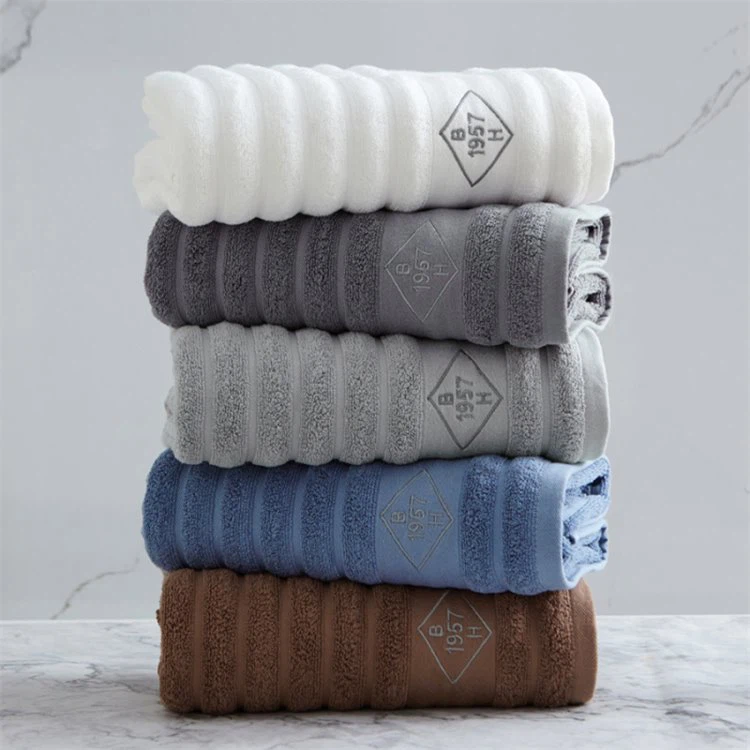
Another potential drawback of polyester towels is their feel. Some people find that polyester towels feel less soft and luxurious compared to towels made from natural fibers. This is because polyester fibers are smoother and less porous than natural fibers, which can give them a more synthetic feel.
Comparing Polyester Towels to Other Materials
To better understand the durability of polyester towels, it's helpful to compare them to other common towel materials, such as cotton and microfiber.
Cotton Towels: Cotton is a natural fiber that is known for its absorbency, softness, and breathability. Cotton towels are highly absorbent, making them ideal for drying off after a shower or swim. However, cotton towels are also more prone to shrinking, stretching, and developing holes over time compared to polyester towels. Additionally, cotton towels may fade over time, especially if they are not washed properly.
Microfiber Towels: Microfiber is a synthetic material made from extremely fine fibers. Microfiber towels are known for their high absorbency, quick drying time, and ability to trap dirt and debris. Microfiber towels are also very durable and resistant to wear and tear. However, like polyester towels, microfiber towels may feel less soft and luxurious compared to cotton towels.
Tips for Maintaining the Durability of Polyester Towels
To ensure that your polyester towels last as long as possible, it's important to take proper care of them. Here are some tips for maintaining the durability of polyester towels:
- Wash in Cold Water: Polyester towels should be washed in cold water to prevent shrinking and damage to the fibers. Avoid using hot water, as this can cause the polyester fibers to melt or warp.
- Use Mild Detergent: When washing polyester towels, it's important to use a mild detergent that is free of harsh chemicals and fragrances. Harsh detergents can damage the polyester fibers and cause them to lose their strength and durability.
- Avoid Overdrying: Polyester towels should be dried on a low heat setting to prevent damage to the fibers. Overdrying can cause the polyester fibers to become brittle and break, which can reduce the durability of the towels.
- Store Properly: When not in use, polyester towels should be stored in a cool, dry place. Avoid storing polyester towels in direct sunlight or in a damp environment, as this can cause the towels to fade or develop mildew.
Conclusion
In conclusion, polyester towels are a durable and practical choice for many consumers. While they may not offer the same level of absorbency or softness as towels made from natural fibers, they are strong, resistant to wear and tear, and able to retain their color and shape for a longer period of time. If you're looking for a towel that will last, polyester towels are definitely worth considering.
As a towel supplier, I offer a wide range of polyester towels in various colors, sizes, and styles. Whether you're looking for a towel for your home, gym, or business, I have the perfect solution for you. If you're interested in learning more about our polyester towels or would like to place an order, please don't hesitate to contact me. I'd be happy to answer any questions you may have and help you find the perfect towels for your needs.
References
- "Polyester: A Synthetic Fiber." Textile Institute, [Link to relevant page].
- "Cotton vs. Polyester: Which is Better for Towels?" The Spruce, [Link to relevant page].
- "Microfiber Towels: The Ultimate Guide." Cleaning Institute, [Link to relevant page].