

What is the difference between a cotton and a bamboo bathrobe?
Dec 03, 2025
Leave a message
When it comes to choosing a bathrobe, two popular materials often stand out: cotton and bamboo. As a bathrobe supplier, I've had the opportunity to work closely with both materials, and I'm excited to share the differences between them. This knowledge can help you make an informed decision when purchasing a bathrobe for yourself or your customers.
Material Composition and Source
Cotton is a natural fiber derived from the cotton plant. It has been used for centuries in the textile industry due to its abundance and versatility. The cotton plant produces fluffy bolls that contain the fibers, which are then harvested, processed, and spun into yarn. There are different types of cotton, such as Egyptian cotton, Pima cotton, and regular upland cotton. Egyptian and Pima cotton are known for their long fibers, which result in a softer and more durable fabric.
On the other hand, bamboo bathrobes are made from the pulp of bamboo plants. Bamboo is a fast - growing grass that can reach maturity in just a few years. The bamboo is first broken down into a pulp, which is then chemically treated to extract the cellulose fibers. These fibers are spun into yarn and woven into fabric. The process of making bamboo fabric can vary, and some methods are more environmentally friendly than others.
Absorbency
One of the most important factors in a bathrobe is its absorbency. Cotton bathrobes are well - known for their excellent absorbent properties. Cotton fibers have a natural ability to soak up water, making them ideal for drying off after a bath or shower. A high - quality cotton bathrobe can quickly wick away moisture from your skin, leaving you feeling dry and comfortable.
Bamboo bathrobes also have good absorbency. In fact, bamboo fibers can absorb up to three times their weight in water. The unique structure of bamboo fibers allows them to hold moisture effectively, and they can also release it quickly, which means they dry faster than cotton in some cases. This fast - drying feature can be a significant advantage, especially if you want to use your bathrobe multiple times in a day.
Softness and Comfort
Cotton bathrobes are renowned for their softness. The natural fibers are gentle on the skin, making them suitable for people with sensitive skin. The texture of cotton can range from smooth and silky to slightly nubby, depending on the type of cotton and the weaving process. Egyptian and Pima cotton bathrobes are particularly soft and luxurious, often providing a plush and comfortable feel against the skin.
Bamboo bathrobes are also incredibly soft. The fibers have a smooth and silky texture that feels like a gentle caress on the skin. Bamboo is hypoallergenic, which means it is less likely to cause skin irritation or allergic reactions. This makes bamboo bathrobes a great choice for those with sensitive skin or allergies. The softness of bamboo bathrobes can provide a relaxing and indulgent experience after a long day.
Durability
Durability is an important consideration when purchasing a bathrobe. Cotton bathrobes are generally quite durable. High - quality cotton fabrics can withstand regular use and washing without losing their shape or strength. However, over time, cotton bathrobes may start to show signs of wear, such as pilling or fading. The durability of a cotton bathrobe also depends on the quality of the cotton and the construction of the robe.
Bamboo bathrobes are also durable, but they require a bit more care. The bamboo fibers are strong, but they can be more delicate than cotton in some ways. Bamboo bathrobes may be more prone to snagging if they come into contact with sharp objects. However, with proper care, such as washing them on a gentle cycle and avoiding harsh detergents, a bamboo bathrobe can last for a long time.
Environmental Impact
In today's world, environmental impact is a crucial factor in product selection. Cotton is a natural fiber, but its production can be resource - intensive. Cotton farming often requires large amounts of water, pesticides, and fertilizers. The use of these chemicals can have a negative impact on the environment, including water pollution and soil degradation. However, there are also organic cotton options available, which are grown without the use of synthetic pesticides and fertilizers.
Bamboo is considered a more environmentally friendly option. Bamboo is a fast - growing plant that requires little water and no pesticides or fertilizers to grow. It can also help prevent soil erosion and absorb carbon dioxide from the atmosphere. The process of making bamboo fabric can be more sustainable if it uses eco - friendly manufacturing methods.
Style and Design
Both cotton and bamboo bathrobes come in a wide range of styles and designs. Cotton bathrobes are available in various colors, patterns, and lengths. You can find classic styles like kimono - style bathrobes, wrap - around bathrobes, and belted bathrobes. They can also be decorated with embroidery, piping, or other embellishments to add a touch of elegance.
Bamboo bathrobes also offer a diverse range of styles. They often have a modern and sophisticated look, with clean lines and minimalist designs. Bamboo bathrobes can be found in different colors, including natural earth tones and bright, bold hues. Some bamboo bathrobes also feature unique textures or weaves that add to their visual appeal.
Price
Price is often a deciding factor when choosing a bathrobe. Cotton bathrobes can vary widely in price, depending on the quality of the cotton, the brand, and the features. Basic cotton bathrobes can be relatively inexpensive, making them a budget - friendly option. However, high - end cotton bathrobes made from premium materials like Egyptian or Pima cotton can be quite expensive.
Bamboo bathrobes tend to be priced slightly higher than cotton bathrobes on average. This is mainly due to the cost of processing the bamboo fibers and the perception of bamboo as a more premium and eco - friendly material. However, the price difference may not be significant, and you can still find affordable bamboo bathrobes on the market.
Our Product Offerings
As a bathrobe supplier, we offer a wide range of both cotton and bamboo bathrobes. Our Men's Cotton Blend Bathrobe is a popular choice among our customers. It combines the softness and absorbency of cotton with the durability of a blend, making it a practical and comfortable option for men.
We also have a selection of high - quality bamboo bathrobes that are perfect for those who value softness, comfort, and environmental sustainability. Whether you are looking for a bathrobe for personal use or for your business, we can provide you with the right product to meet your needs.
Conclusion
In conclusion, both cotton and bamboo bathrobes have their own unique advantages. Cotton bathrobes are known for their absorbency, softness, and durability, while bamboo bathrobes offer good absorbency, softness, and a more environmentally friendly option. When choosing a bathrobe, consider your personal preferences, such as comfort, style, and environmental impact.
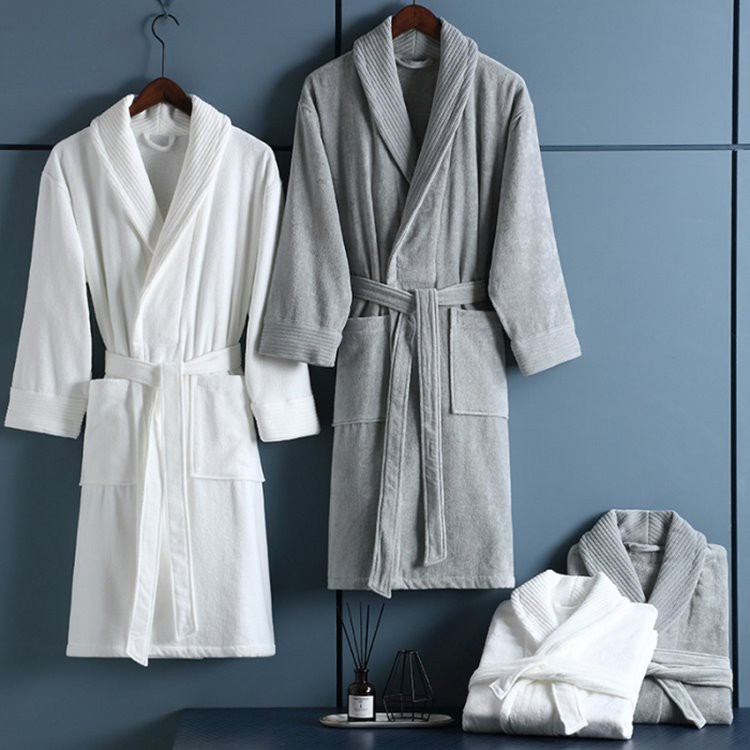
If you are interested in purchasing bathrobes in bulk for your business or have any questions about our products, we invite you to contact us for a procurement discussion. We are committed to providing you with the best quality bathrobes at competitive prices.
References
- "Textile Fibers: Cotton and Bamboo" - Textile Institute
- "The Environmental Impact of Cotton and Bamboo Production" - Journal of Sustainable Textiles
- "Softness and Comfort in Bathrobe Materials" - International Journal of Apparel Science and Technology