

How to store home textiles to prevent moths?
Jun 19, 2025
Leave a message
Hey there! As a home textiles supplier, I've seen firsthand how frustrating it can be to find your favorite blankets, pillowcases, or bathrobes damaged by moths. These little critters can wreak havoc on our precious home textiles, but don't worry – I've got some practical tips to help you store your home textiles properly and keep those moths at bay.
Understanding Moths and Their Attraction to Home Textiles
Before we dive into the storage tips, let's take a quick look at why moths are so attracted to our home textiles in the first place. Moths are particularly drawn to natural fibers like wool, cotton, silk, and cashmere. These fibers contain keratin, a protein that moths and their larvae love to munch on. Synthetic fibers, on the other hand, are generally less appealing to moths, but they can still be targeted if they're blended with natural fibers or if there are food stains or body oils on them.
Moths also prefer dark, warm, and humid environments, which is why closets, attics, and basements are often their favorite hiding spots. They lay their eggs on the fabric, and when the eggs hatch, the larvae start feeding on the fibers, causing holes and damage over time.
Preparing Your Home Textiles for Storage
The first step in preventing moths is to make sure your home textiles are clean before you store them. Even the smallest food stain, sweat, or body oil can attract moths, so it's important to give your items a thorough cleaning.
- Wash or dry clean: Check the care label on your home textiles and follow the recommended cleaning instructions. For most cotton items like the Sofa Throw Blanket Cotton, a regular machine wash in cold or warm water with a mild detergent should do the trick. For more delicate fabrics like silk or wool, it's best to take them to a professional dry cleaner.
- Remove stains: If you notice any stains on your home textiles, treat them before washing or dry cleaning. There are many stain removers available on the market, or you can try using natural remedies like lemon juice or vinegar for mild stains.
- Air dry: Avoid using a dryer on high heat, as this can damage the fibers and shrink the fabric. Instead, air dry your home textiles in a well-ventilated area. Make sure they are completely dry before storing them to prevent mold and mildew growth.
Choosing the Right Storage Containers
Once your home textiles are clean and dry, it's time to choose the right storage containers. The key is to keep your items in a sealed environment that moths can't access.
- Plastic bins: Plastic storage bins with tight-fitting lids are a great option for storing home textiles. They are durable, waterproof, and can be easily labeled. Make sure to choose bins that are large enough to hold your items without overcrowding them, as this can cause wrinkles and damage.
- Vacuum-sealed bags: Vacuum-sealed bags are another popular choice for storing home textiles. They remove the air from the bag, reducing the space your items take up and creating a barrier against moths. However, be careful not to over-compress delicate fabrics, as this can damage the fibers.
- Cotton storage bags: If you prefer a more breathable option, cotton storage bags are a good choice. They allow air to circulate around the fabric, preventing mold and mildew growth. Just make sure to choose bags with a tight weave to keep moths out.
Using Natural Moth Repellents
In addition to proper cleaning and storage, you can also use natural moth repellents to keep moths away from your home textiles. Here are some effective options:
- Lavender: Lavender is a natural insect repellent that moths hate. You can place dried lavender sachets in your storage containers or hang lavender bunches in your closet. Not only will it keep moths away, but it will also leave your home textiles smelling fresh and fragrant.
- Cedar: Cedar is another natural moth repellent that has been used for centuries. Cedar blocks or chips can be placed in your storage containers or closet to deter moths. Just make sure to replace the cedar every few months, as its scent will fade over time.
- Eucalyptus: Eucalyptus oil is a powerful insect repellent that can be used to make a natural moth spray. Mix a few drops of eucalyptus oil with water in a spray bottle and spray it on your home textiles before storing them. You can also soak cotton balls in eucalyptus oil and place them in your storage containers.
Storing Your Home Textiles in the Right Location
The location where you store your home textiles is also important. As mentioned earlier, moths prefer dark, warm, and humid environments, so it's best to avoid storing your items in attics, basements, or closets near a bathroom or kitchen.
- Cool, dry place: Choose a cool, dry place to store your home textiles, such as a spare bedroom or a closet in a well-ventilated area. Make sure the temperature and humidity levels are stable to prevent mold and mildew growth.
- Avoid direct sunlight: Direct sunlight can fade and damage the fabric, so it's best to store your home textiles in a dark place or cover them with a light sheet or curtain.
- Elevate your storage containers: To prevent moisture from seeping into your storage containers, elevate them off the floor using pallets or shelves. This will also make it easier to access your items when you need them.
Regularly Inspecting Your Stored Home Textiles
Even if you take all the necessary precautions, it's still a good idea to regularly inspect your stored home textiles for signs of moth damage. Check for holes, webbing, or larvae on the fabric, and if you notice any, take immediate action.
- Isolate the affected items: If you find any moth-damaged items, isolate them from the rest of your home textiles to prevent the infestation from spreading. Place the affected items in a sealed plastic bag and dispose of them properly.
- Clean and treat the storage area: Vacuum the storage area thoroughly to remove any moth eggs or larvae. Wipe down the shelves and containers with a damp cloth and a mild detergent. You can also use a natural moth spray or insecticide to treat the area.
- Replace the moth repellents: If you're using natural moth repellents, make sure to replace them regularly to keep their scent strong. Check the expiration date on the products and follow the manufacturer's instructions.
Conclusion
Storing your home textiles properly is essential to prevent moth damage and keep your items in good condition for years to come. By following these tips, you can create a moth-free environment for your home textiles and enjoy them for a long time.
If you're in the market for high-quality home textiles, I'd love to chat with you. As a home textiles supplier, I offer a wide range of products, including Sofa Throw Blanket Cotton, Envelope Pillowcase, and Men's Cotton Blend Bathrobe. Whether you're looking for a cozy blanket for your living room or a luxurious bathrobe for your bathroom, I've got you covered.
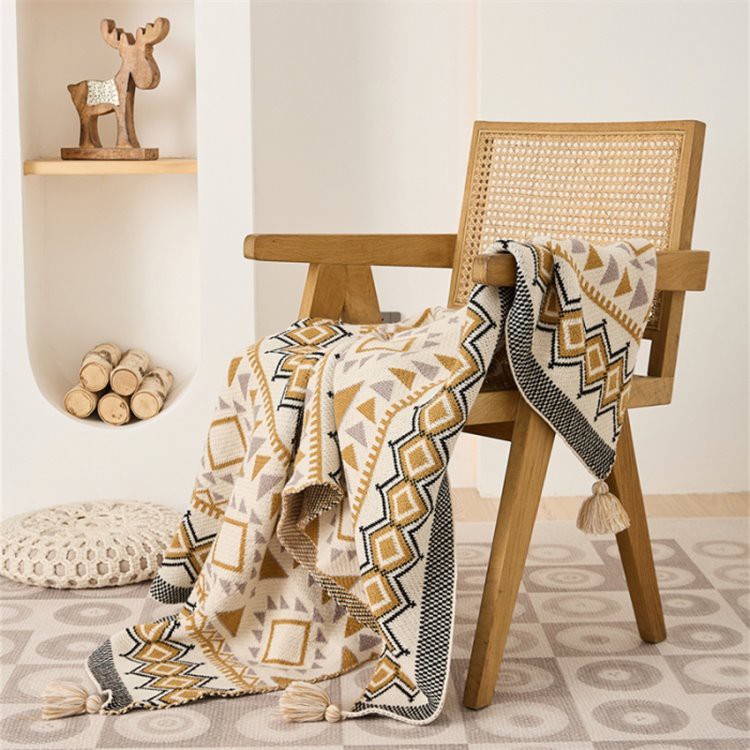

Feel free to reach out to me to discuss your needs and explore our product range. I'm always happy to help you find the perfect home textiles for your home.
References
- "Moth Prevention and Control." University of Kentucky Entomology.
- "How to Store Your Winter Clothes." Real Simple.
- "Natural Moth Repellents." The Spruce.