

How to make a fiber quilt with irregular shapes?
Jan 05, 2026
Leave a message
Hey there! I'm super stoked to share with you the ins and outs of making a fiber quilt with irregular shapes. As a fiber quilt supplier, I've seen firsthand how these unique quilts can add a touch of creativity and personality to any space. So, let's dive right in!
Getting Started: Materials and Tools
First things first, you'll need to gather your materials and tools. Here's what you'll need:
- Fiber Fill: This is the heart of your fiber quilt. You can choose from a variety of fiber fills, such as polyester, cotton, or wool. I recommend using a high-quality fiber fill for a soft and cozy quilt. You can check out our Fiber Quilt options for some great choices.
- Fabric: Select fabrics that you love and that complement each other. You can use a single fabric or mix and match different patterns and colors. For a more traditional look, you might choose a solid-colored fabric for the background and add some patterned fabrics for the irregular shapes. If you're going for a more modern look, you can experiment with bold prints and bright colors.
- Thread: Choose a thread that matches your fabric. You'll need a strong thread for quilting, so look for a polyester or cotton thread.
- Scissors: You'll need a good pair of scissors for cutting your fabric and fiber fill. Make sure they're sharp and easy to handle.
- Pins: Use pins to hold your fabric and fiber fill in place while you're sewing.
- Quilting Ruler and Rotary Cutter (Optional): These tools can make cutting your fabric and fiber fill easier and more precise. If you're new to quilting, you might not need them right away, but they can be helpful as you gain more experience.
Designing Your Irregular Shapes
The next step is to design your irregular shapes. You can use a variety of methods to create your shapes, such as freehand drawing, tracing, or using a template. Here are some tips to help you design your shapes:
- Get Inspired: Look for inspiration in nature, art, or other quilts. You can also use online resources, such as Pinterest or Instagram, to find ideas for irregular shapes.
- Keep it Simple: If you're new to quilting, it's a good idea to start with simple shapes. You can gradually add more complexity as you gain more experience.
- Mix and Match: Don't be afraid to mix and match different shapes and sizes. This can add visual interest to your quilt.
- Create a Balance: Make sure your shapes are evenly distributed across the quilt. This will help create a balanced and cohesive look.
Cutting Your Fabric and Fiber Fill
Once you've designed your irregular shapes, it's time to cut your fabric and fiber fill. Here's how to do it:
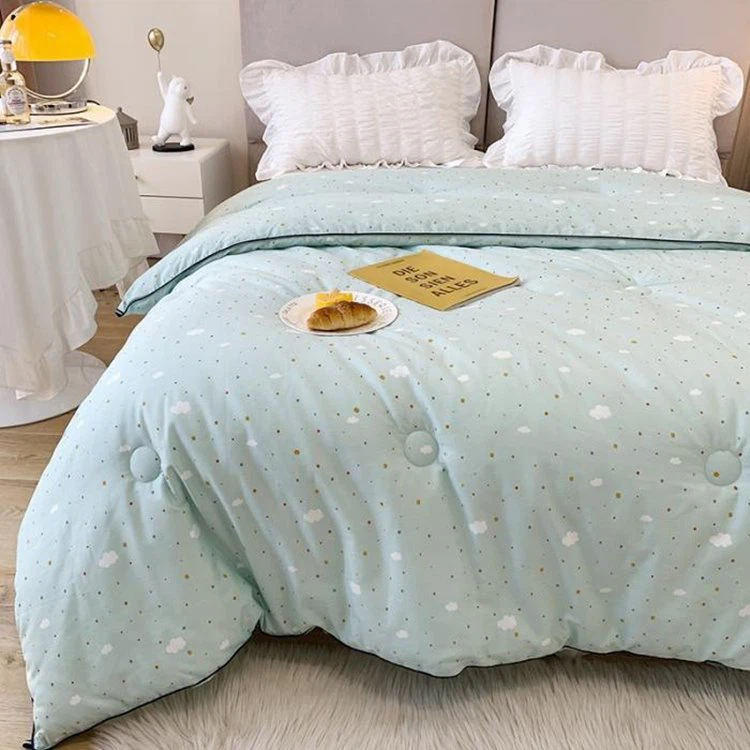
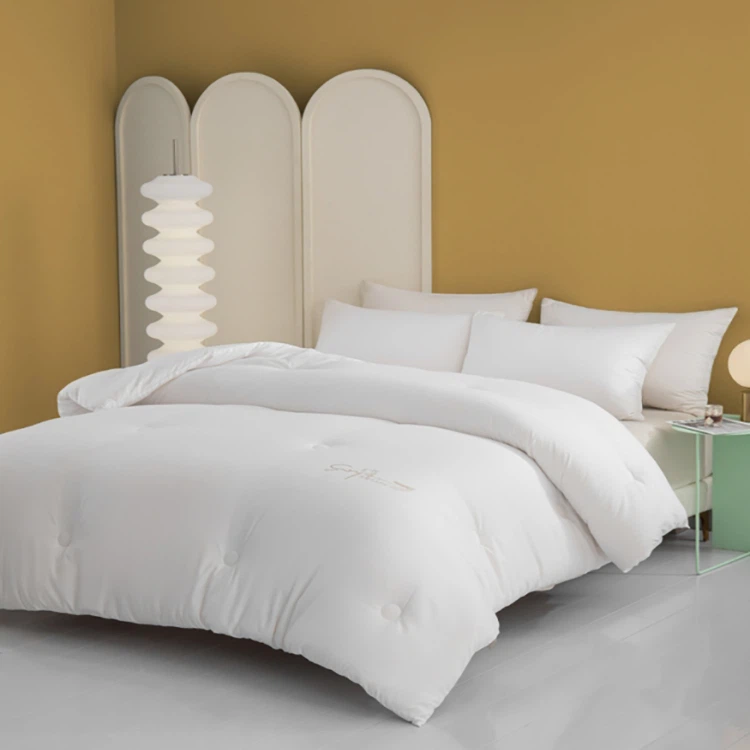
- Cut Your Fabric: Use your scissors or rotary cutter to cut your fabric into the shapes you designed. Make sure to leave a little extra fabric around the edges for seam allowance.
- Cut Your Fiber Fill: Cut your fiber fill into pieces that are slightly larger than your fabric shapes. This will ensure that your quilt is nice and fluffy.
- Layer Your Fabric and Fiber Fill: Place your fabric shapes on top of your fiber fill, with the right sides of the fabric facing each other. Pin the layers together to hold them in place.
Sewing Your Irregular Shapes
Now it's time to sew your irregular shapes together. Here's how to do it:
- Choose a Sewing Method: You can use a variety of sewing methods to sew your shapes together, such as machine sewing, hand sewing, or appliqué. Machine sewing is the fastest and most efficient method, but hand sewing can add a personal touch to your quilt.
- Sew Your Shapes Together: Starting at one edge of your shape, sew along the edge using a straight stitch. Make sure to leave a small opening at the bottom of the shape for turning.
- Trim the Seam Allowance: Once you've sewn your shape together, trim the seam allowance to about 1/4 inch. This will help your shape lie flat.
- Turn Your Shape Right Side Out: Use a chopstick or your fingers to turn your shape right side out through the opening at the bottom.
- Stuff Your Shape: Use a spoon or your fingers to stuff your shape with fiber fill. Make sure to fill it firmly, but not too tightly.
- Close the Opening: Use a needle and thread to close the opening at the bottom of your shape. You can use a whip stitch or a ladder stitch to make the opening less noticeable.
Assembling Your Quilt
Once you've sewn all your irregular shapes together, it's time to assemble your quilt. Here's how to do it:
- Lay Out Your Shapes: Arrange your shapes on a flat surface in the pattern you want them to be in. You can use pins to hold them in place.
- Sew Your Shapes Together: Starting at one edge of your quilt, sew your shapes together using a straight stitch. Make sure to sew through all the layers of fabric and fiber fill.
- Add a Border (Optional): If you want to add a border to your quilt, cut a strip of fabric that's the same width as your desired border. Sew the border to the edges of your quilt using a straight stitch.
- Quilt Your Quilt: Quilting is the process of stitching through all the layers of your quilt to hold them together. You can use a variety of quilting patterns, such as straight lines, curves, or freehand designs. You can quilt your quilt by hand or using a sewing machine.
- Bind Your Quilt: Binding is the process of finishing the edges of your quilt. Cut a strip of fabric that's about 2 1/2 inches wide and long enough to go around the edges of your quilt. Fold the strip in half lengthwise and sew it to the edges of your quilt using a straight stitch. Then, fold the binding over to the back of the quilt and sew it in place using a blind stitch.
Tips and Tricks
Here are some tips and tricks to help you make your fiber quilt with irregular shapes:
- Use a Walking Foot: If you're using a sewing machine to quilt your quilt, a walking foot can help prevent the layers of fabric and fiber fill from shifting.
- Quilt in Sections: If your quilt is large, it can be helpful to quilt it in sections. This will make it easier to handle and prevent the fabric and fiber fill from shifting.
- Use a Quilting Hoop: If you're quilting by hand, a quilting hoop can help keep your fabric taut and make it easier to stitch.
- Experiment with Different Fabrics and Fiber Fills: Don't be afraid to experiment with different fabrics and fiber fills to create a unique look and feel for your quilt.
- Have Fun: Quilting is a creative and rewarding hobby, so make sure you have fun with it!
Conclusion
Making a fiber quilt with irregular shapes is a fun and creative way to add a personal touch to your home decor. With a little patience and practice, you can create a beautiful and unique quilt that you'll be proud to show off. If you're interested in purchasing fiber quilts or have any questions about the quilting process, please don't hesitate to contact us. We'd love to help you find the perfect fiber quilt for your needs.
References
- "Quilting for Beginners: A Step-by-Step Guide" by Jane Doe
- "The Complete Guide to Quilting" by John Smith
- "Fiber Quilts: Design and Techniques" by Sarah Johnson