

How to add embroidery to a towel?
Jan 22, 2026
Leave a message
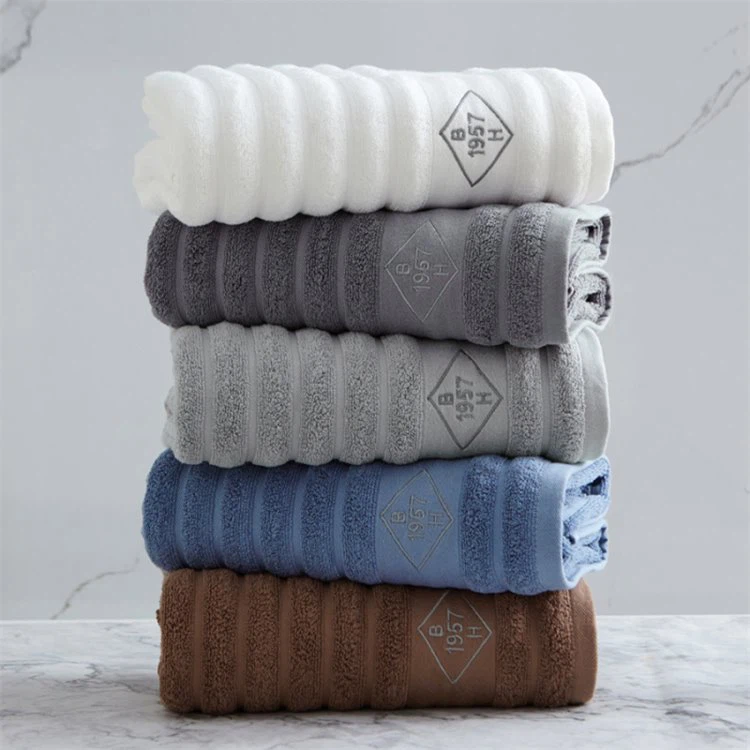
Adding embroidery to a towel is an art that can transform a simple piece of fabric into a personalized and luxurious item. As a towel supplier, I've witnessed firsthand how embroidery can enhance the aesthetic appeal and value of towels. In this blog post, I'll guide you through the process of adding embroidery to a towel, from choosing the right design to the actual stitching.
Choosing the Right Towel
The first step in adding embroidery to a towel is selecting the right base material. Not all towels are created equal when it comes to embroidery. You'll want to choose a towel that has a smooth, even surface and is made from a fabric that can withstand the stitching process.
One excellent option is our Lightweight Cotton Towel. Cotton is a popular choice for embroidery because it's soft, absorbent, and easy to work with. The lightweight construction of this towel allows for better needle penetration, making it ideal for detailed embroidery work.
The color of the towel also plays a role in the overall look of the embroidery. Lighter colors tend to provide a better backdrop for embroidery thread, allowing the design to stand out more. However, if you're going for a more subtle look, you can choose a towel color that closely matches the embroidery thread.
Design Selection
Once you've chosen the towel, it's time to select the embroidery design. Your design should complement the style and purpose of the towel. For example, if you're creating a towel for a spa, you might choose a relaxing nature-themed design, such as a lotus flower or a leaf pattern.
There are several ways to find embroidery designs. You can search online for free or paid embroidery patterns, or you can create your own design using embroidery software. If you're creating a design from scratch, make sure to consider the size of the towel and the placement of the embroidery. A design that looks great on a large beach towel might be too overwhelming on a small hand towel.
It's also important to think about the type of stitching you want to use. Different stitching techniques can create different effects. For example, satin stitch is often used for filling in large areas of color, while outline stitch is perfect for defining the edges of a design.
Preparing the Towel
Before you start embroidering, you need to prepare the towel. First, wash and dry the towel to remove any sizing or chemicals that might be on the fabric. This will ensure that the embroidery thread adheres well to the towel.
Next, you'll want to mark the placement of the embroidery on the towel. You can use a fabric marker or a piece of transfer paper. If you're using transfer paper, place the design face down on the towel and use an iron to transfer the design onto the fabric. Make sure to follow the instructions on the transfer paper carefully.
To prevent the fabric from puckering during the embroidery process, you can use a stabilizer. There are different types of stabilizers available, such as tear-away, wash-away, and heat-away stabilizers. The type of stabilizer you choose will depend on the type of fabric and the design you're working with. Tear-away stabilizer is a popular choice for towels because it's easy to remove after the embroidery is complete.
Thread Selection
Choosing the right thread is crucial for achieving a high-quality embroidery result. The thread should be strong enough to withstand the washing and drying process, but also fine enough to create detailed designs.
Cotton thread is a common choice for towel embroidery because it's soft, durable, and comes in a wide range of colors. Silk thread is another option, which offers a more luxurious and shiny look. However, silk thread is more expensive and may not be as durable as cotton thread.
When selecting the thread color, make sure it contrasts well with the towel color. This will make the embroidery design more visible. You can also use multiple thread colors to add depth and dimension to the design.
Embroidery Process
Now that you've prepared the towel and selected the design and thread, it's time to start embroidering. If you're using an embroidery machine, make sure to read the manufacturer's instructions carefully. Set up the machine according to the type of fabric and thread you're using.
Start by stitching the outline of the design. This will help to define the shape of the design and make it easier to fill in the details. Use a small stitch length for the outline to ensure that the design is precise.
Once the outline is complete, you can start filling in the design with the chosen stitching technique. Work slowly and carefully to ensure that the stitches are even and consistent. If you're using multiple thread colors, make sure to change the thread at the appropriate times.
After you've completed the embroidery, remove the stabilizer. If you're using a tear-away stabilizer, gently tear it away from the fabric. If you're using a wash-away or heat-away stabilizer, follow the instructions on the stabilizer package to remove it.
Finishing Touches
After removing the stabilizer, give the towel a gentle wash to remove any loose threads or debris. Then, dry the towel according to the manufacturer's instructions.
To make the embroidery look even better, you can iron the towel on a low heat setting. Place a pressing cloth between the iron and the embroidery to prevent the thread from melting or becoming damaged.
Ordering Custom Embroidered Towels
If you're interested in having custom embroidered towels for your business or personal use, we're here to help. As a towel supplier, we offer a wide range of towels that can be customized with your own embroidery designs.
Whether you need towels for a hotel, a spa, a gym, or a special event, we can work with you to create the perfect solution. Our team of experts has years of experience in towel embroidery and can ensure that your designs are executed with the highest level of quality.
To discuss your custom towel embroidery needs, please feel free to reach out to us. We'll be happy to provide you with more information, answer any questions you may have, and provide you with a quote.
References
- "Embroidery Techniques for Beginners" by Jane Smith
- "The Art of Towel Design" by John Doe
- "Cotton Fabrics and Their Use in Embroidery" by Sarah Johnson