

Do chair covers fade over time?
Oct 02, 2025
Leave a message
Over the years, as a dedicated chair cover supplier, I've encountered numerous inquiries from clients regarding the longevity and colorfastness of chair covers. One question that frequently surfaces is, "Do chair covers fade over time?" This blog post aims to delve into this topic, exploring the factors that contribute to fading, the materials used in chair covers, and how to mitigate the risk of color loss.
Factors Contributing to Fading
Fading is a natural process that occurs when the colorants in a fabric break down over time. Several factors can accelerate this process, including exposure to sunlight, friction, and chemical reactions.
Sunlight
Sunlight is one of the primary culprits behind fading. Ultraviolet (UV) rays can break down the chemical bonds in dyes, causing them to lose their color. This is particularly true for chair covers that are placed near windows or in outdoor settings. Over time, the constant exposure to sunlight can cause the colors to fade, resulting in a dull and worn appearance.
Friction
Friction can also contribute to fading. When chair covers are frequently rubbed against other surfaces, such as clothing or furniture, the fibers can become damaged, causing the color to wear off. This is especially common in high-traffic areas, where the chair covers are constantly being moved and adjusted.
Chemical Reactions
Chemical reactions can also cause fading. For example, exposure to chlorine, bleach, or other harsh chemicals can break down the dyes in the fabric, causing them to lose their color. This is why it's important to follow the care instructions provided by the manufacturer when cleaning chair covers.
Materials Used in Chair Covers
The materials used in chair covers can also affect their resistance to fading. Different fabrics have different levels of colorfastness, which refers to their ability to retain their color over time.
Cotton
Cotton is a popular choice for chair covers due to its softness, breathability, and affordability. However, cotton is also prone to fading, especially when exposed to sunlight and harsh chemicals. To improve the colorfastness of cotton chair covers, they can be treated with a dye fixative or a UV-resistant coating.
Polyester
Polyester is a synthetic fabric that is known for its durability and resistance to fading. Polyester chair covers are often treated with a special finish that helps to protect them from UV rays and other environmental factors. This makes them a great choice for outdoor use or in areas with high sunlight exposure.
Linen
Linen is a natural fabric made from the fibers of the flax plant. It is known for its strength, durability, and breathability. Linen chair covers have a unique texture and appearance, but they are also prone to fading. To minimize fading, linen chair covers should be kept out of direct sunlight and cleaned gently.
Velvet
Velvet is a luxurious fabric that is known for its softness and richness. However, velvet is also prone to fading, especially when exposed to sunlight. To prevent fading, velvet chair covers should be kept away from windows and other sources of direct sunlight. They should also be cleaned using a gentle detergent and a soft brush.
How to Mitigate the Risk of Fading
While fading is a natural process, there are several steps you can take to mitigate the risk and extend the lifespan of your chair covers.
Choose High-Quality Materials
One of the most effective ways to prevent fading is to choose high-quality chair covers made from materials that are known for their colorfastness. Look for fabrics that are treated with a UV-resistant coating or a dye fixative to help protect them from the effects of sunlight and other environmental factors.
Avoid Direct Sunlight
As mentioned earlier, sunlight is one of the primary causes of fading. To minimize the risk of fading, avoid placing chair covers in direct sunlight for extended periods of time. If possible, use curtains or blinds to block out the sun's rays during the hottest part of the day.
Follow the Care Instructions
Proper care is essential for maintaining the color and appearance of chair covers. Always follow the care instructions provided by the manufacturer when cleaning chair covers. This may include using a gentle detergent, washing in cold water, and avoiding harsh chemicals or bleach.
Rotate the Chair Covers
Rotating the chair covers regularly can help to distribute the wear and tear evenly, reducing the risk of fading in one particular area. This is especially important for chair covers that are used frequently or in high-traffic areas.
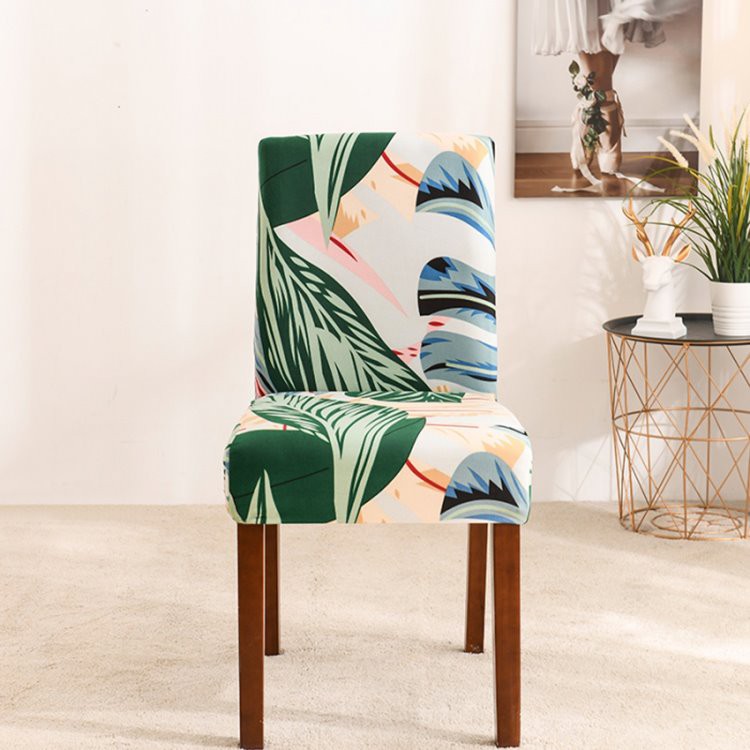
Washable Chair Cover
If you're looking for a convenient and practical solution to keep your chair covers clean and fresh, consider investing in Washable Chair Cover. These chair covers are designed to be easily removed and washed, making them a great choice for busy households or commercial settings. Washable chair covers are available in a variety of materials and styles, so you can find the perfect match for your decor.
Conclusion
In conclusion, chair covers can fade over time due to a variety of factors, including exposure to sunlight, friction, and chemical reactions. However, by choosing high-quality materials, avoiding direct sunlight, following the care instructions, and rotating the chair covers regularly, you can mitigate the risk of fading and extend the lifespan of your chair covers. If you have any questions or need further advice on choosing the right chair covers for your needs, please don't hesitate to contact us. We're here to help you find the perfect solution for your home or business.
References
- "Colorfastness of Textiles." Textile Institute, www.textileinstitute.org/.
- "Fabric Care Guide." The Spruce, www.thespruce.com/.
- "Sunlight and Fading." National Trust, www.nationaltrust.org.uk/.