

Can you machine wash a quilt?
Jan 13, 2026
Leave a message
Hey there! As a quilt supplier, I often get asked one question: “Can you machine wash a quilt?” Well, the answer isn't as straightforward as a simple yes or no. Let's dive into this topic and figure out the best way to keep your quilts clean.
First off, it's important to understand that different types of quilts have different washing requirements. There are a lot of factors to consider, like the materials used in the quilt, the construction, and even the age of the quilt.
Types of Quilts and Their Washability
Pure Cotton Quilt
Cotton is a popular choice for quilts because it's soft, breathable, and relatively easy to care for. A Pure Cotton Quilt is often a great option for machine washing. Cotton can generally withstand the agitation of a washing machine without too much trouble.
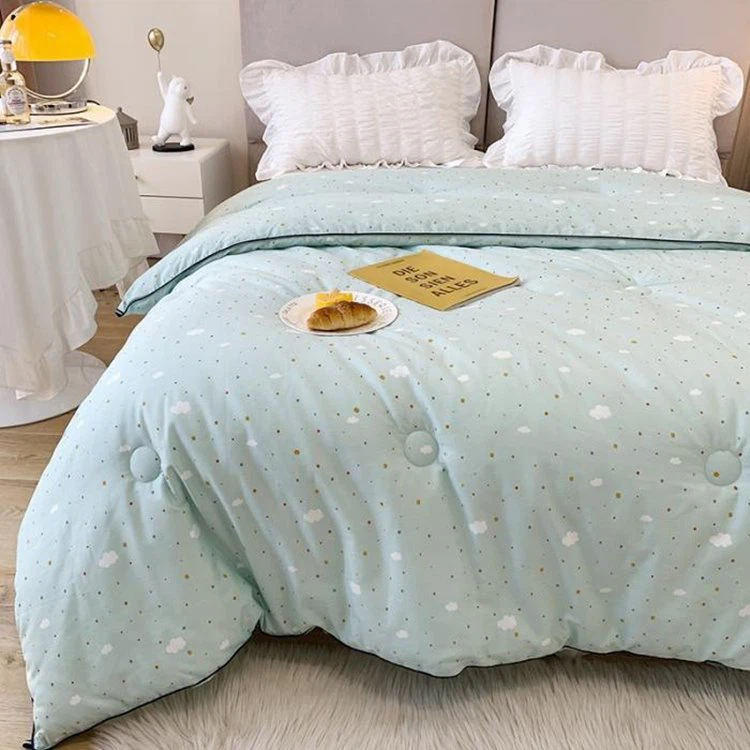

However, there are still a few things to keep in mind. If your cotton quilt has a lot of delicate embroidery or appliqué, you might want to be a bit more cautious. The agitation in the machine could potentially damage these decorative elements. In that case, you might want to wash it on a gentle cycle or even consider hand-washing.
Also, make sure to use a mild detergent. Harsh chemicals can break down the fibers in the cotton over time, making the quilt less durable. And don't forget to check the care label on the quilt. Sometimes, the manufacturer will have specific instructions that you should follow.
Fiber Quilt
Fiber quilts, such as those filled with polyester or other synthetic fibers, are another common type. A Fiber Quilt is usually more resistant to shrinking and fading compared to natural fiber quilts. This makes them a good candidate for machine washing.
The synthetic fibers in these quilts are less likely to be damaged by the agitation in the machine. However, you still need to be careful with the temperature settings. High heat can cause the fibers to melt or clump together, which can affect the insulation and overall quality of the quilt. So, it's best to use a cool or warm water setting and a gentle cycle.
Steps to Machine Wash a Quilt
If you've determined that your quilt is suitable for machine washing, here are the steps you should follow:
- Check the Quilt: Before you throw the quilt in the machine, give it a good once-over. Look for any loose threads, buttons, or other potential hazards that could get caught in the machine. You don't want to end up with a tangled mess!
- Choose the Right Detergent: As I mentioned earlier, use a mild detergent. Avoid using bleach or fabric softeners, as these can damage the quilt. You can find detergents specifically designed for delicate fabrics at your local grocery store.
- Select the Right Cycle: Most quilts should be washed on a gentle or delicate cycle. This will minimize the agitation and reduce the risk of damage. Also, make sure to use a cold or warm water setting, depending on the type of quilt and the detergent instructions.
- Add the Quilt to the Machine: Place the quilt in the machine carefully, making sure it's evenly distributed. Don't overcrowd the machine, as this can prevent the quilt from getting clean.
- Run the Cycle: Once you've added the quilt and the detergent, start the cycle. Depending on the size of the quilt and the type of machine, the cycle may take anywhere from 30 minutes to an hour.
- Dry the Quilt: After the wash cycle is complete, it's time to dry the quilt. Most quilts can be dried in a dryer on a low or delicate setting. However, if your quilt is particularly large or heavy, you may want to air dry it outside on a clothesline or drying rack. Just make sure to keep it out of direct sunlight, as this can cause the colors to fade.
When Not to Machine Wash a Quilt
While many quilts can be machine washed, there are some situations where it's best to avoid it.
- Antique or Heirloom Quilts: These quilts are often made with delicate materials and intricate stitching. Machine washing can cause damage to the fabric and the stitching, so it's best to have them professionally cleaned.
- Quilts with Special Finishes: Some quilts have special finishes, such as waterproofing or fireproofing. Machine washing can remove these finishes, so it's important to follow the manufacturer's instructions.
- Quilts with Loose Fillings: If your quilt has a loose filling, such as feathers or down, machine washing can cause the filling to clump together. This can make the quilt less comfortable to use and reduce its insulation value. In this case, it's best to have the quilt professionally cleaned or fluff it up manually.
Benefits of Machine Washing a Quilt
Despite the potential risks, there are also some benefits to machine washing a quilt.
- Convenience: Machine washing is a lot easier and faster than hand-washing. You can simply throw the quilt in the machine and let it do the work for you.
- Deep Cleaning: A washing machine can provide a more thorough cleaning than hand-washing. The agitation in the machine helps to loosen dirt and stains, leaving your quilt fresh and clean.
- Sanitization: Machine washing can also help to sanitize your quilt. The hot water and detergent can kill bacteria and other germs, making your quilt healthier to use.
Conclusion
So, can you machine wash a quilt? The answer is yes, in most cases. However, it's important to consider the type of quilt, the materials used, and the construction before you decide to machine wash it. By following the steps outlined in this blog post, you can keep your quilts clean and in good condition for years to come.
If you're in the market for a new quilt, whether it's a Pure Cotton Quilt or a Fiber Quilt, we've got you covered. We offer a wide range of high-quality quilts that are not only beautiful but also easy to care for. If you're interested in purchasing our quilts in bulk, we're more than happy to have a chat with you about procurement. Get in touch with us for more details and let's work together to find the perfect quilts for your needs.
References
- Various industry reports on quilt care and textile maintenance.
- Experience and knowledge gained from years in the quilt supply business.